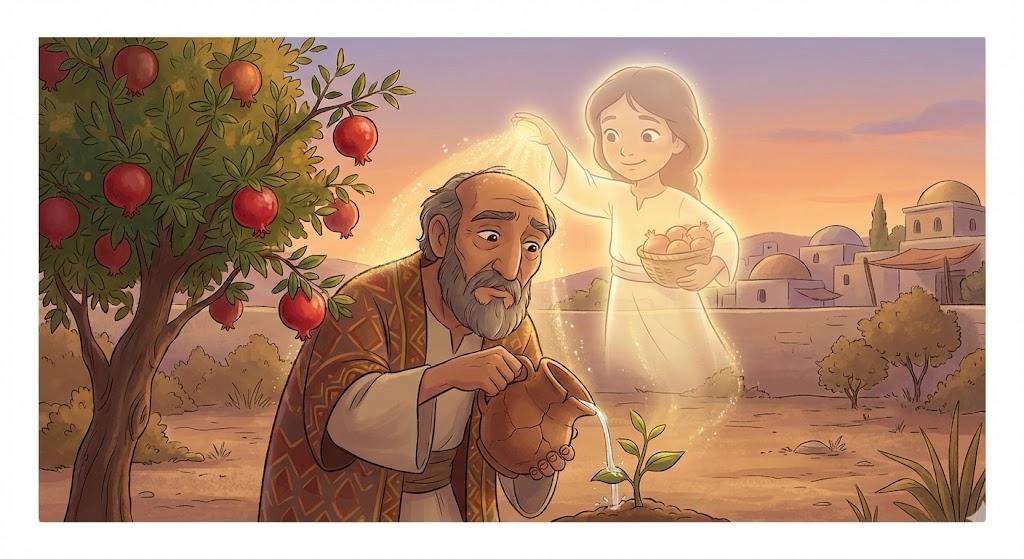
Even the subject of the miracle does not realize it
Sometimes the miracle is hidden, and even a person to whom a miracle occurred does not know about it.
("What is meant by (Psalms 72:) 'Who alone does great wonders and blessed be His glorious name forever' – Even the subject of the miracle does not recognize his own miracle" – Niddah 31a. And similarly: "Rabbi Elazar said: Even the subject of the miracle does not recognize his own miracle... About whom is the scripture speaking? About two people who went for trade. A thorn pricked one of them, and he began to curse and blaspheme; days later he heard that his friend’s ship sank at sea, so he started to give thanks and praise" – Midrash Tehillim (Buber) Psalm 130. And likewise: "The subject of the miracle does not recognize his own miracle. If, in Fishel’s place, someone happened to leave a second pair of tefillin..." – Agnon, Ir uMelo’ah, 634. And also: "The whole House of Israel was saved without ever knowing of the true threat looming over it, for ever and always, the subject of the miracle does not recognize his own miracle" – H. Be’er, El Makom SheHaRuach Holech, 412)
Translation
Expression (Hebrew)
אֲפִלּוּ בַּעַל הַנֵּס אֵינוֹ מַכִּיר בְּנִסּוֹ
Definition (Hebrew)
לְעִתִּים הַנֵּס נִסְתָּר, וַאֲפִלּוּ אָדָם שֶׁאֵרַע לוֹ נֵס, אֵין הוּא יוֹדֵעַ עַל כָּךְ.
("מַאי דִּכְתִיב (תְּהִלִּים ע"ב) עוֹשֶׂה נִפְלָאוֹת (גְּדוֹלוֹת) לְבַדּוֹ וּבָרוּךְ שָׁם כְּבוֹדוֹ לְעוֹלָם- אֲפִלּוּ בַּעַל הַנֵּס אֵינוֹ מַכִּיר בִּנְסוֹ"-נִדָּה לֹא ע"א, וְכֵן:"אָמַר רַבִּי אֶלְעָזָר אֲפִלּוּ בַּעַל הַנֵּס אֵינוֹ מַכִּיר בִּנְסוֹ...בָּמָה הַכָּתוּב מִדְבַּר, בַּשֵּׁנִי בְּנֵי אָדָם שֶׁהָלְכוּ לִסְחוֹרָה. יָשַׁב לוֹ קוֹץ לְאַחֵד מֵהֶם, הִתְחִיל מְחָרֵף וּמְגַדֵּף, לְיָמִים שָׁמַע שֶׁטָּבַע סְפִינַת חֲבֵרוֹ בַּיָּם, הִתְחִיל מוֹדָה וּמְשַׁבֵּחַ"- מִדְרַשׁ תְּהִלִּים (בּוּבֶּר) מִזְמוֹר קַלּוּ, וְכֵן:"אֵין בַּעַל הַנֵּס מַכִּיר בִּנְסוֹ. אֵלּוּ בִּמְקוֹמוֹ שֶׁל פִישֶׁל נִזְדַּמֵּן לוֹ מִי שֶׁמֵּנִיחַ שֵׁנִי זוּגוֹת תְּפִלִּין..."- עַגְנוֹן/ עִיר וּמְלוֹאָהּ, 634, וְכֵן:"בֵּית יִשְׂרָאֵל כֻּלּוֹ נִצַּל בְּלִי שֶׁיָּדַע כְּלָל עַל הָאִיּוּם הָאֲמִתִּי אֲשֶׁר הִתְרַגֵּשׁ עָלָיו, שֶׁהֲרֵי מֵאָז וּמֵעוֹלָם אֵין בַּעַל הַנֵּס מַכִּיר בִּנְסוֹ"- ח.בְּאֵר/ אֶל מָקוֹם שֶׁהָרוּחַ הוֹלֵךְ, 412)