As he is there, as he is now
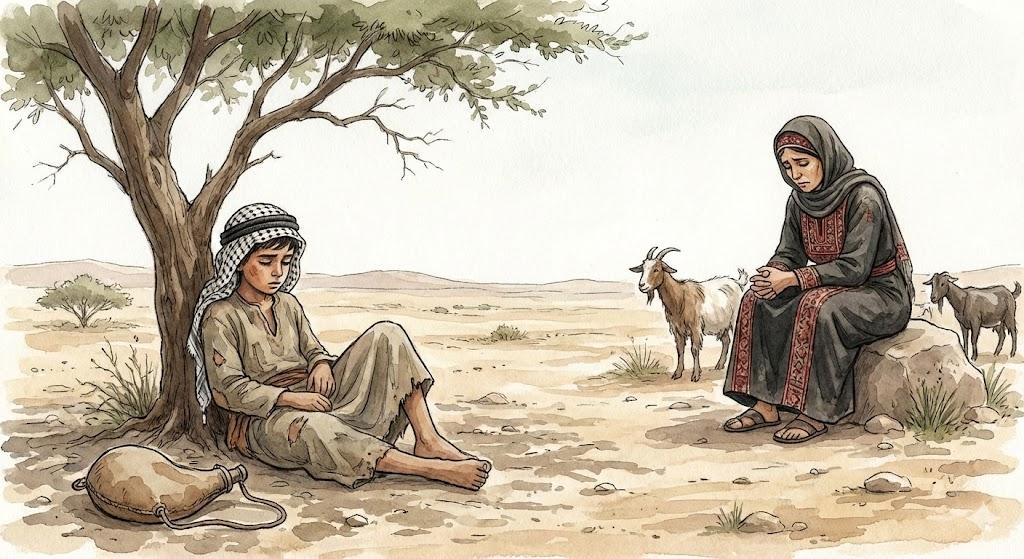
As he is. In the place where he is found. Or figuratively: according to his situation at that moment, and not according to what may possibly be in the future (the opposite of the expression "judged by his end"—which appears in Sanhedrin 68b, according to which a matter is examined by what comes of it in the end).
("And God heard the voice of the lad; and the angel of God called to Hagar out of heaven, and said to her: What troubles you, Hagar? Fear not, for God has heard the voice of the lad where he is."—Genesis 21:17 (the angel of the Lord to Hagar about Ishmael). Or: his behavior should be examined "as he is there" and not by guessing what he might do in the future. And also: "May the hands of all our brothers be strengthened, who grace the dust of our land as they are there; may your spirit not fall—joyful, exultant, come together to help the people"—H.N. Bialik, Birkat Am. And also: "Will you hear my voice, my distant one? Will you hear my voice, as you are there"—Rachel, Zemer Nogah.)
Translation
Expression (Hebrew)
בַּאֲשֶׁר הוּא שָׁם, בַּאֲשֶׁר הִנּוֹ
Definition (Hebrew)
כְּפִי שֶׁהוּא. בַּמָּקוֹם שֶׁהוּא נִמְצָא. אוֹ בְּהַשְׁאָלָה: לִשְׁפֹּט אֶת הַנּוֹשֵׂא עַל פִּי מַצָּבוֹ אָז, וְלֹא עפ"י מָה שֶׁיִּתָּכֵן וְיִהְיֶה בֶּעָתִיד. בִּטּוּי הָפוּךְ מֵהַבִּטּוּי (סַנְהֶדְרִין סָח ע"ב) "נִדּוֹן עַל שָׁם סוֹפוֹ" לְפִיו הַדָּבָר נִבְחָן לְפִי מָה שֶׁיֵּצֵא מִמֶּנּוּ בְּסוֹפוֹ שֶׁל דָּבָר. הַמָּקוֹר בַּמְּסֻפָּר עַל הָגָר וְיִשְׁמָעֵאל בַּמִּדְבָּר).
( יֵשׁ לִבְחֹן אֶת הִתְנַהֲגוּתוֹ "בַּאֲשֶׁר הוּא שָׁם" וְלֹא לְנַחֵשׁ מָה יַעֲשֶׂה בֶּעָתִיד, וְכֵן: "וַיִּשְׁמַע אֱלֹהִים אֶת קוֹל הַנַּעַר. וַיִּקְרָא מַלְאַךְ אֱלֹהִים אֶל הָגָר מִן הַשָּׁמַיִם וַיֹּאמֶר לָהּ: מַה לָּךְ הָגָר? אַל תִּירְאִי, כִּי שָׁמַע אֱלֹהִים אֶל קוֹל הַנַּעַר בַּאֲשֶׁר הוּא שָׁם"- בְּרֵאשִׁית כא יז (מַלְאָךְ ה' לְהָגָר עַל יִשְׁמָעֵאל), , וְכֵן: "תֶּחֱזַקְנָה יְדֵי כָּל יְדֵי אַחֵינוּ הַמְּחוֹנָנִים/ עַפְרוֹת אַרְצֵנוּ בַּאֲשֶׁר הֵם שָׁם/ אֶל יִפֹּל רוּחֲכֶם- עַלִּיזִים, מִתְרוֹנְנִים/ בּוֹאוּ שֶׁכֶם אֶחָד לְעֶזְרַת הָעָם"- ח.נ. בְּיָאלִיק/ בִּרְכַּת עָם, וְכֵן: "הַתְשַׁמֵּעַ קוֹלִי, רְחוֹקִי שֶׁלִּי/ הֲתִשְׁמַע קוֹלִי, בַּאֲשֶׁר הִנְּךָ"- רָחֵל/ זֶמֶר נוּגֶה)