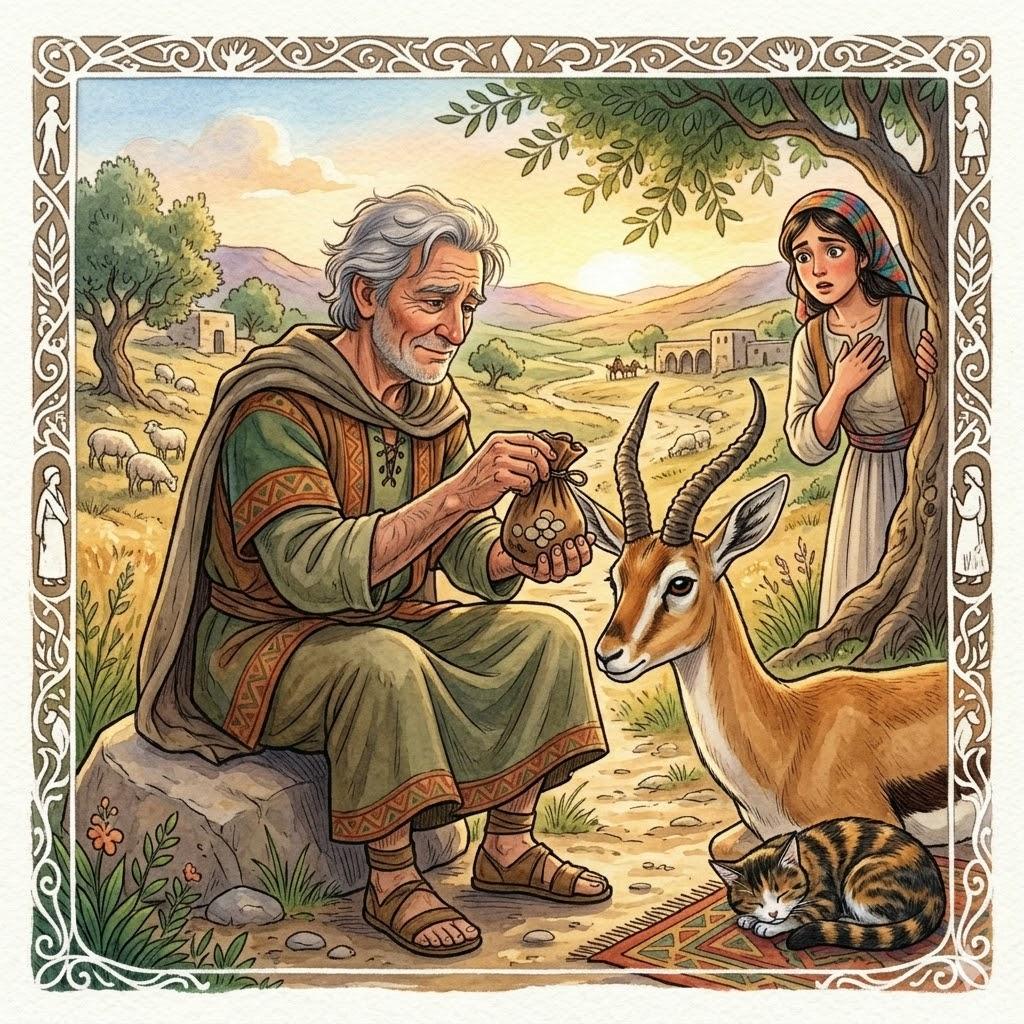
To throw good money after bad/ to invest one's money in a doubtfull enterprise
In question: He risked his money at too great a risk. As if he had lost his money (the origin of the expression can be seen in the double meaning of the word 'horn', both a horn of money and a grain of life. Similarly, according to the interpretation of the Tosafot Yom Tov, the tortoise is considered a life-giving being who runs fast and is not allowed for man to catch up with him. In addition, it is said about the tortoise that replaces its horns once for all Time).
("Whoever went to the land of the sea and stood alone and took his wife Hanan, saying, 'I will lose my money...' said Rabban Yochanan ben Zachai...he laid his money on the horn of the tortoise' - Texts 132, and so: "He laid his money on the horn of the tortoise - which the tortoise easily ran ... and it was found that the one who laid his money on the horn of the tortoise is destined to ruin what he has built. He will run quickly and will not be able to catch him. And I have heard that the nature of the tortoise is to drop its horns at a certain time and that it will drop them in one of the valleys or in the valleys and they will not be found" - Tosafot Yom Tov, Mishnah, Ketuvot 13, 2, etc.: "He will place it on the tortoise's horn, scattering it like chaff before the wind, and you will have nothing from all your labor except the guarantees ... and the bonds of debt "In the heart" - Shalom Aleichem/ Adam Baal Keba, A'av, and so on: "Who has wasted the power of national creation ... in a foreign language - places its acquisition on the horn of the tortoise" - Bialik/ The Hebrew book, and so on: "And all my life was summed up in one sentence - / A horn of light on the horn of the tortoise. / The wings are broken. In the darkness of the forest / The horn of light is trampled "At My Feet" - Leah Goldberg/ Return)
Translation
Expression (Hebrew)
הִנִּיחַ עַל קֶרֶן הַצְּבִי, הִנִּיחַ מְעוֹתָיו עַל קֶרֶן הַצְּבִי
Definition (Hebrew)
בְּהַשְׁאָלָה: סִכֵּן אֶת כַּסְפּוֹ בְּסִכּוּן גָּדוֹל בְּיוֹתֵר. כְּאִלּוּ אִבֵּד אֶת כַּסְפּוֹ (מְקוֹר הַבִּטּוּי כַּנִּרְאֶה בְּכֶפֶל הַמַּשְׁמָעוּת שֶׁל הַמִּלָּה 'קֶרֶן', גַּם קֶרֶן כַּסְפִּית וְגַם גֹּרֶן שֶׁל בַּעַל חַיִּים. כְּמוֹ כֵן, ע"פ הַפַּרְשָׁנוּת שֶׁל תּוֹסְפוֹת יוֹם טוֹב, הַצְּבִי נֶחֱשָׁב לְבַעַל חַיִּים שֶׁרָץ מַהֵר וְלֹא נִתָּן לָאָדָם לְהַשִּׂיגוֹ. בְּנוֹסָף נֶאֱמַר עַל הַצְּבִי שֶׁמַּחֲלִיף אֶת קַרְנָיו אַחַת לְכַמָּה זְמַן).
("מִי שֶׁהָלַךְ לִמְדִינַת הַיָּם וְעָמַד אֶחָד וּפִרְנֵס אֶת אִשְׁתּוֹ חָנָן אוֹמֵר אִבֵּד אֶת מְעוֹתָיו...אָמַר רַבָּן יוֹחָנָן בֶּן זַכַּאי ...הִנִּיחַ מְעוֹתָיו עַל קֶרֶן הַצְּבִי"- כְּתֻבּוֹת יג ב, וְכֵן:"הִנִּיחַ מְעוֹתָיו עַל קֶרֶן הַצְּבִי- שֶׁהַצְּבִי קַל לָרוּץ ...וְנִמְצָא שֶׁזֶּה שֶׁמַּנִּיחַ מְעוֹתָיו עַל קֶרֶן צְבִי הוּא מְזֻמָּן לְהַפְסִיד שֶׁהַצְּבִי יָרוּץ קַל חִישׁ וְלֹא יוּכַל לְהַשִּׂיגוֹ. וְשָׁמַעְתִּי שֶׁטֶּבַע הַצְּבִי לְהַפִּיל קַרְנוֹתָיו לִזְמַן יָדוּעַ וְשֶׁמָּא יַפִּילֵם בְּאַחַת הַגֵּאָיוֹת אוֹ הַפְּחָתִים וְלֹא יִמָּצְאוּ"- תּוֹסְפוֹת יוֹם טוֹב ,מִשְׁנָה, כְּתֻבּוֹת יג, ב, וְכֵן:"מַנִּיחוֹ עַל קֶרֶן הַצְּבִי, מְפַזְּרוֹ כְּמוֹץ לִפְנֵי רוּחַ, וְאֵין לְךָ מִכָּל עֲמָלְךָ אֶלָּא הַבְטָחוֹת ...וּשְׁטָרוֹת חוֹב בִּלְבַד"- שָׁלוֹם עֲלֵיכֶם/ אָדָם בַּעַל קֵבָה, עַב, וְכֵן:"מִי שֶׁבִּזְבֵּז אֶת כּוֹחַ הַיְּצִירָה הַלְּאֻמִּית ...בְּלָשׁוֹן זָרָה- מַנִּיחַ רְכוּשָׁהּ עַל קֶרֶן הַצְּבִי"-בְּיָאלִיק/ הַסֵּפֶר הָעִבְרִי, וְכֵן:"וְכָל חַיַּי סֻכְּמוּ בָּרֶגַע הָאֶחָד-/קֶרֶן שֶׁל אוֹר עַל קֶרֶן הַצְּבִי./ הָעֲנָפִים שְׁבוּרִים. בַּאֲפֵלַת הַיַּעַר/ קֶרֶן הָאוֹר נִרְמְסָה לְרַגְלֵי"- לֵאָה גּוֹלְדְּבֵּרְג/ תְּשׁוּבָה)