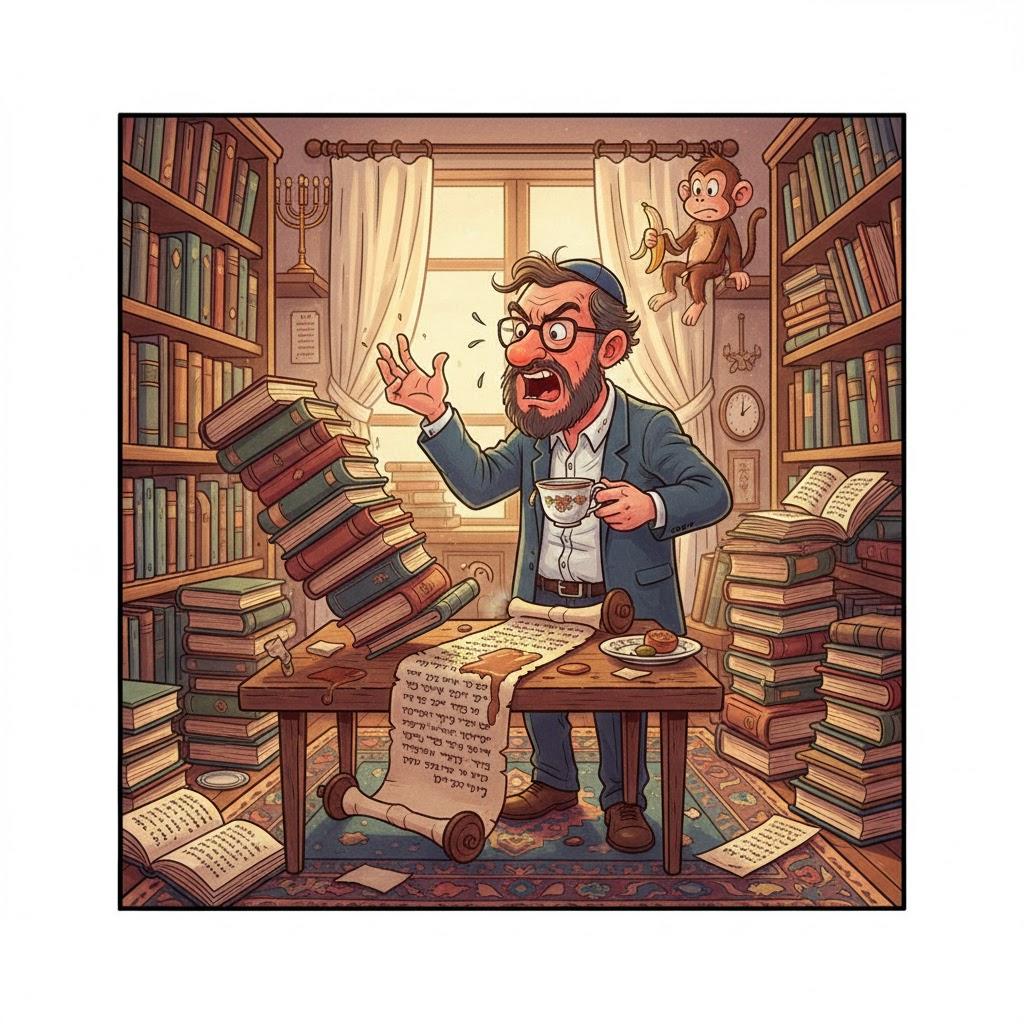
בָּא לִכְלָל כַּעַס בָּא לִכְלָל טָעוּת
מִי שֶׁמַּגִּיעַ לְמַצָּב שֶׁל כַּעַס עָלוּל לְבַצֵּעַ טָעוּיוֹת. פִּתְגָּם נֶגֶד הַכַּעַס שֶׁגּוֹרֵם לַעֲשִׂיַּת טָעוּיוֹת.
("ר' אֶלְעָזָר בֶּן עֲזַרְיָה אוֹמֵר:בִּשְׁלוֹשָׁה מְקוֹמוֹת בָּא מֹשֶׁה לִכְלַל כַּעַס וּבָא לִכְלַל טָעוּת"- סִפְרֵי בְּמִדְבַּר מִטּוֹת קְנַז, וְכֵן:"לְפִי שֶׁבָּא מֹשֶׁה לִכְלַל כַּעַס,בָּא לִכְלַל טָעוּת, שֶׁנִּתְעַלְּמוּ מִמֶּנּוּ הִלְכוֹת גִּעוּלֵי עוֹבְדֵי כּוֹכָבִים"- רָשִׁ"י בְּמִדְבַּר לֹא יב)
תרגום
ביטוי (אנגלית)
Because he was under the influence of anger, he came under the influence of error/his anger blinded his judgement
הגדרה (אנגלית)
Someone who reaches a state of anger is liable to make mistakes. A proverb against anger, which causes one to make errors.
(Rabbi Elazar ben Azariah says: 'In three places Moses came under the influence of anger and came under the influence of error' – Sifrei Bamidbar Matot Kanaz. And likewise: 'Because Moses came under the influence of anger, he came under the influence of error, for the laws of purging the belongings of idol worshippers became hidden from him' – Rashi on Bamidbar 31:21)