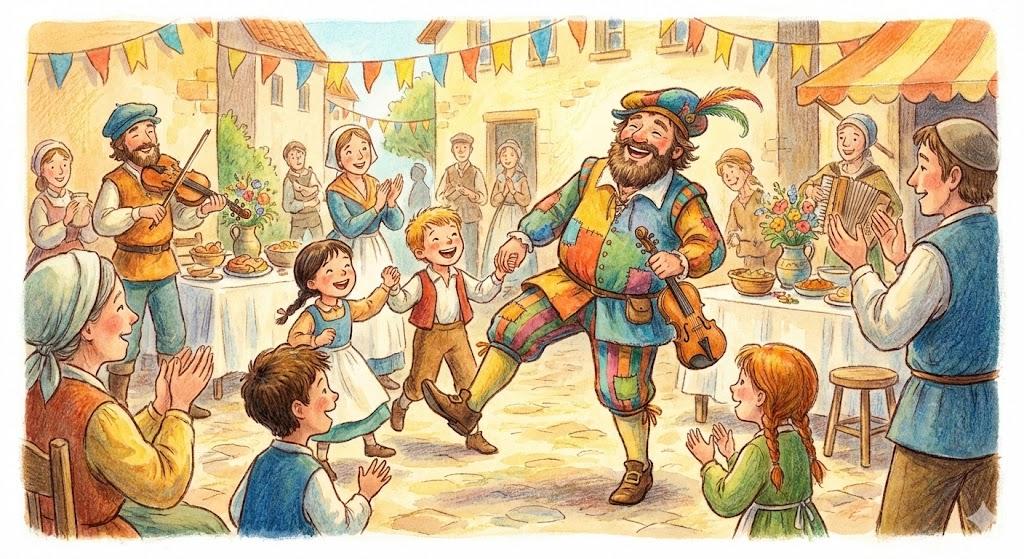
בַּעַל הַשִּׂמְחָה
הָאָדָם שֶׁאֵלָיו קָשׁוּר הָאֵרוּעַ הַמְּשַׂמֵּחַ. הָאָדָם שֶׁהוּא הַסִּבָּה לִמְסִבָּה. מִי שֶׁמְּאַרְגֵּן אֶת הַמְּסִבָּה.
("וְאֵין מוֹנְעִין אוֹתָהּ מֵהִתְאַבֵּל וּמִן הַבֶּכִי וְלֹא מֵהַמֶּנַע מִן הָרְחִיצָה, כְּמוֹ שֶׁכָּתוּב וּבָכְתָה אֶת אָבִיהָ וְאֶת אִמָּהּ. כִּי לְבַעֲלֵי הָאֵבֶל מְנוּחָה בִּבְכִיָּה וְעוֹרְרָם אֶבְלָם עַד שֶׁיַּחְלְשׁוּ כֹּחוֹת הַגּוֹפָנִים מִסְּבוּל הַמִּקְרֶה הַהוּא הַנַּפְשִׁי, כְּמוֹ שֶׁלְּבַעֲלֵי הַשִּׂמְחָה מְנוּחָה בְּמִינֵי הַשְּׂחוֹק, וּמִפְּנֵי זֶה חֶמְלָה הַתּוֹרָה עָלֶיהָ וְשָׁם הָרְשׁוּת בְּיָדָהּ"-סֵפֶר מוֹרֵה הַנְּבוֹכִים חֵלֶק ג, מָא)
תרגום
ביטוי (אנגלית)
Master of Joy/ celebrator/ feabter/ banqueter
הגדרה (אנגלית)
The person to whom the joyful event is connected. The person who is the cause of the gathering. One who organizes the feast.
("And she is not prevented from mourning and from weeping, nor from abstaining from washing, as it is written, 'and she wept for her father and her mother.' For those who are masters of mourning find rest in weeping, and their mourning is awakened until the strength of the limbs is weakened from the burden of that mental occurrence, just as those who are masters of joy find rest in kinds of laughter. And because of this, the Torah has mercy upon her, and there permission is granted." - Sefer Moreh Nevuchim, Part 3, 45)