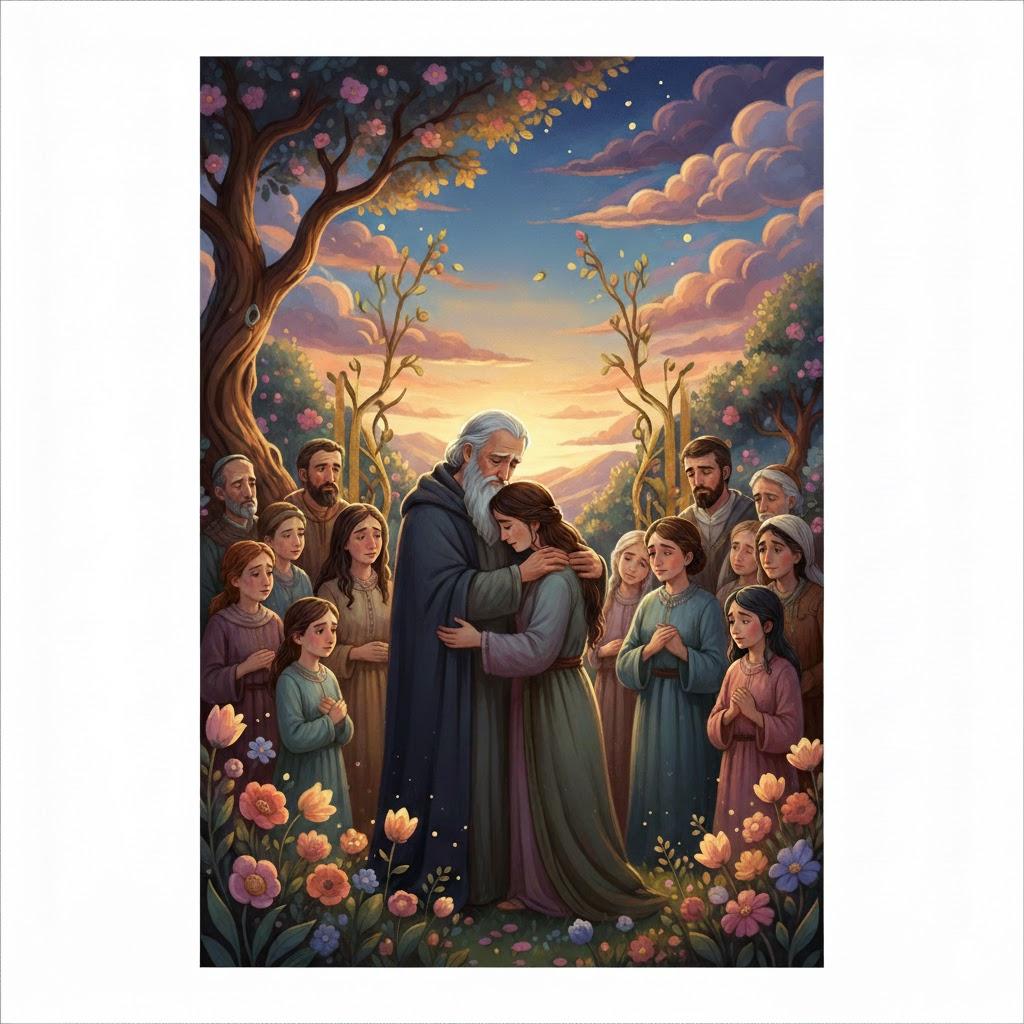
בָּרוּךְ דַּיַּן הָאֱמֶת
מְבֹרָךְ הוּא הָאֵל הַשּׁוֹפֵט עַל פִּי דִּין אֱמֶת. בְּרָכָה הַנֶּאֱמֶרֶת שֶׁשּׁוֹמְעִים עַל מוֹתוֹ שֶׁל אָדָם. בִּטּוּי הַבָּעָה שֶׁל צַעַר עַל מוֹתוֹ שֶׁל אָדָם.
("ר' יְהוּדָה אוֹמֵר הָרוֹאֶה אֶת הַיָּם הַגָּדוֹל אוֹמֵר בָּרוּךְ שֶׁעָשָׂה אֶת הַיָּם הַגָּדוֹל בִּזְמַן שֶׁרוֹאֶה אוֹתוֹ לִפְרָקִים עַל הַגְּשָׁמִים וְעַל הַבְּשׂוֹרוֹת הַטּוֹבוֹת אוֹמֵר בָּרוּךְ הַטּוֹב וְהַמֵּטִיב וְעַל שְׁמוּעוֹת רָעוֹת אוֹמֵר בָּרוּךְ דַּיַּן הָאֱמֶת"- בְּרָכוֹת ט ב ,וְכֵן:"אִם נָגְעָה אֵלָיו רָעָה אוֹ שָׁמַע שְׁמוּעָה רָעָה,אַף עַל פִּי שֶׁהַדְּבָרִים מַרְאִין שֶׁרָעָה זוֹ גּוֹרֶמֶת לוֹ טוֹבָה,מברך"דיין הָאֱמֶת", שֶׁאֵין מְבָרְכִין עַל הֶעָתִיד לִהְיוֹת, אֶלָּא עַל מַה שֶּׁאֵרַע עַתָּה"- הָרַמְבָּ"ם/ סֵפֶר אַהֲבָה, הִלְכוֹת בְּרָכוֹת, פֶּרֶק עֲשִׂירִי, ד, 262, וְכֵן:"עַכְשָׁו מְבָרְכִין עַל הָרָעָה "בָּרוּךְ דַּיַּן הָאֱמֶת" וְעַל הַטּוֹבָה "הַטּוֹב וְהַמֵּטִיב", אֲבָל לֶעָתִיד יְבָרְכוּ עַל הַכֹּל הַטּוֹב וְהַמֵּטִיב"- ר' נַחְמָן מִבְּרֶסְלָב/ לִקּוּטֵי מוהר"ן, תּוֹרָה כ"א, וְכֵן:"יֵשׁ לָנוּ אֵל בַּשָּׁמַיִם, דַּיָּן אֱמֶת הוּא, הָרוֹאֶה הַכֹּל וְיוֹדֵעַ הַכֹּל"- שָׁלוֹם עֲלֵיכֶם/ אָנוּ שׁוֹבְתִים, רָצוּ, וְכֵן:"וְעוֹד הַדְּמָעוֹת נַגָּרוּת מֵעֵינָיו צֹחַ וְאָמַר: נָפְלָה עֲטֶרֶת רֹאשֵׁנוּ, אָבַד צַדִּיק מִן הָאָרֶץ...בָּרוּךְ דַּיַּן הָאֱמֶת, קָרְאוּ כֻּלָּם פֶּה אֶחָד"- י.בּוּרְלָא/ כִּסּוּפִים, 187, וְכֵן:"וְתֵכֶף הָיָה אוֹמֵר לְעַצְמוֹ, דַּיָּן אֱמֶת. מִשְׁפָּטָיו צֶדֶק וֶאֱמֶת. מִדָּה כְּנֶגֶד מִדָּה...יְהִי רָצוֹן שֶׁיִּהְיוּ יִסּוּרֵי מִזְבַּח כַּפָּרָה"- חַיִּים סָבָתוֹ/ כְּעַפְעַפֵּי שַׁחַר, 44).
תרגום
ביטוי (אנגלית)
Blessed be the Truth Judge!/ recite on receiving news of a death
הגדרה (אנגלית)
Blessed is the God who judges according to true justice. A blessing said upon hearing of a person's death. An expression of sorrow for the death of a person.
"Rabbi Yehudah says: one who sees the great sea says, 'Blessed is He who made the great sea.' When seeing it intermittently, one says on the rains and on good news, 'Blessed is the Good and the Beneficent,' and on bad tidings one says 'Blessed is the True Judge.'" - Berachot 9b. Also: "If misfortune befalls him or he hears bad news, even though the matters show that this misfortune brings him good, he blesses 'the True Judge,' since blessings are not recited for the future, but only for what has actually occurred." - Rambam, Sefer Ahavah, Laws of Blessings, Chapter 10, 4, 262. Also: "Now we bless on the bad 'Blessed is the True Judge' and on the good 'the Good and the Beneficent,' but in the future all will bless 'the Good and the Beneficent.'" - Rabbi Nachman of Breslov, Likkutei Moharan, Torah 21. Also: "We have a God in the heavens, He is the True Judge, who sees all and knows all." - Sholem Aleichem, ‘Anu Shvutim,’ Retsu. Also: "And again tears flowed from his eyes, he laughed and said: The crown of our head has fallen, a righteous man is lost from the earth... Blessed is the True Judge, all called out with one voice." - Y. Burla, ‘Kisufim,’ 187. Also: "And immediately he said to himself, True Judge. His judgments are righteousness and truth. Measure for measure... May it be His will that the sufferings of the altar be atonement." - Chaim Sabato, ‘Ka'af'afei Shachar,’ 44.