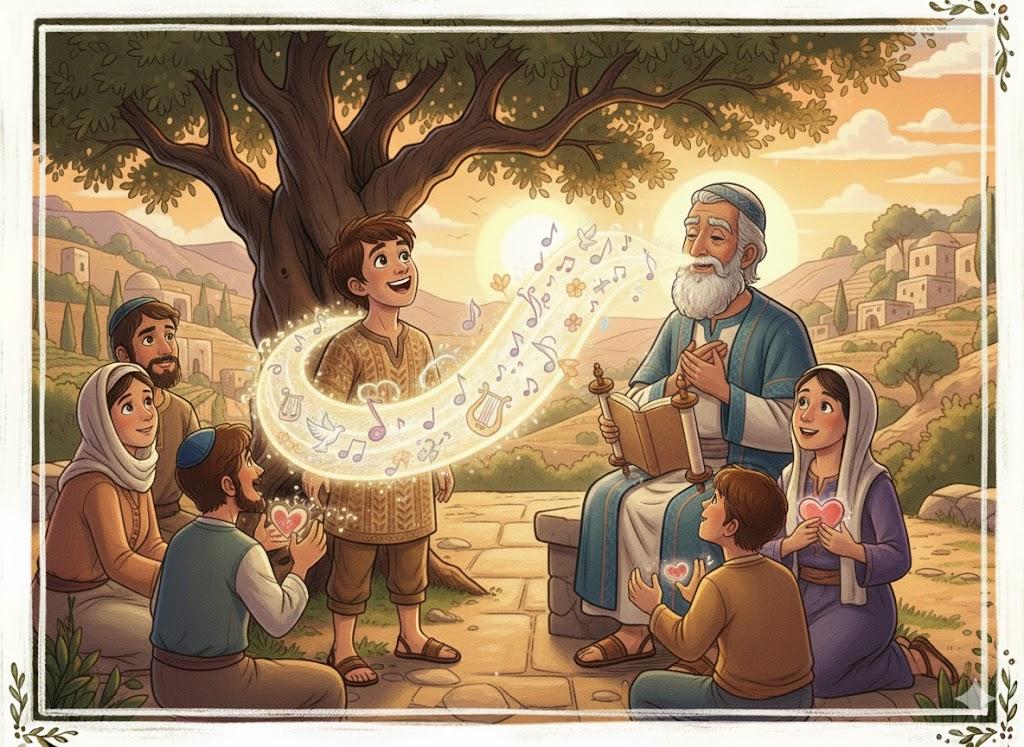
דִּיבְּרָה תּוֹרָה בִּלְשׁוֹן בְּנֵי אָדָם
הַתּוֹרָה כְּתוּבָה בַּשָּׂפָה הָאֲמוּרָה לִהְיוֹת מוּבֶנֶת עַל יְדֵי בְּנֵיאָדָם. כְּלָל פַּרְשָׁנִי לְפִיו הַתּוֹרָה כְּתוּבָה בְּלָשׁוֹן שֶׁאֹזֶן אֱנוֹשִׁית יְכוֹלָה לְהָבִין.
("דִּבְּרָה תּוֹרָה כִּלְשׁוֹן בְּנֵי אָדָם"-בְּרָכוֹת לֹא ע"ב, וְכֵן:"אִם כֵּן, מַהוּ זֶה שֶׁנֶּאֱמַר בַּתּוֹרָה "וְתַחַת רַגְלָיו"...וְכַיּוֹצֵא בַּדְּבָרִים הַלָּלוּ? הַכֹּל לְפִי דַּעְתָּן שֶׁלִּבְנֵי אָדָם הוּא, שֶׁאֵינָן מַכִּירִין אֶלָּא הַגּוּפוֹת, וְדִבְּרָה תּוֹרָה כִּלְשׁוֹן בְּנֵי אָדָם"-הָרַמְבָּ"ם/ סֵפֶר הַמַּדָּע, הִלְכוֹת יְסוֹדֵי תּוֹרָה, פֶּרֶק רִאשׁוֹן, ט, 78, וְכֵן:"וְאַחַר כָּךְ אָמַר הַשֵּׁם לַמַּלְאָכִים נַעֲשָׂה אָדָם. אֲנַחְנוּ נִתְעַסֵּק בּוֹ, וְלֹא הַמַּיִם וְהָאָרֶץ. וְאַחַר שֶׁיָּדַעְנוּ שֶׁהַתּוֹרָה דִּבְּרָה כִּלְשׁוֹן בְּנֵי אָדָם, כִּי הַמְּדַבֵּר אָדָם גַּם כֵּן הַשּׁוֹמֵעַ, וְלֹא יוּכַל לְדַבֵּר אִישׁ דְּבָרִים בְּגָבוֹהַּ עָלָיו אוֹ בְּשֵׁפֶל מִמֶּנּוּ, רַק עַל דֶּרֶךְ דְּמוּת הָאָדָם, וְכֵן אָמַר פִּי הָאָרֶץ, יַד הַיַּרְדֵּן, וְרֹאשׁ עַפְרוֹת תֵּבֵל. וְחָלִילָה חָלִילָה לִהְיוֹת דְּמוּת לְשָׁם"- אִבְּן עֶזְרָא בְּרֵאשִׁית א כו)
תרגום
ביטוי (אנגלית)
The Torah speaks in the speech of men (i.e uses metaphors and phrases adapted to human understanding)
הגדרה (אנגלית)
The Torah is written in the language intended to be understood by human beings. According to the principle of interpretation, the Torah is written in a language that a human ear can comprehend, meaning it uses metaphors and expressions adapted to human understanding.
(“The Torah spoke in the language of human beings.” — Berakhot 32b; and likewise: “If so, what is meant by what is said in the Torah, ‘and under His feet’… and similarly in these matters? Everything is according to the perception of human beings, who recognize only physical forms, and the Torah spoke in the language of human beings.” — Maimonides, Sefer ha-Mada, Laws of the Foundations of the Torah, Chapter 1, 9:78; and likewise: “And afterward the Holy One said to the angels: ‘Man has been created; we shall concern ourselves with him, not with the waters and the earth.’ And once we understood that the Torah spoke in the language of human beings—since it is man who speaks, so too is the one who hears—one cannot speak of matters above him or beneath him, but only in human terms. Thus it is said, ‘the mouth of the earth, the hand of the Jordan, and the head of the dust of the world.’ God forbid that it should be otherwise.” — Ibn Ezra, Bereshit 10:26.)