דִּבְרֵי חֹל, דִּבְרֵי חֻלִּין
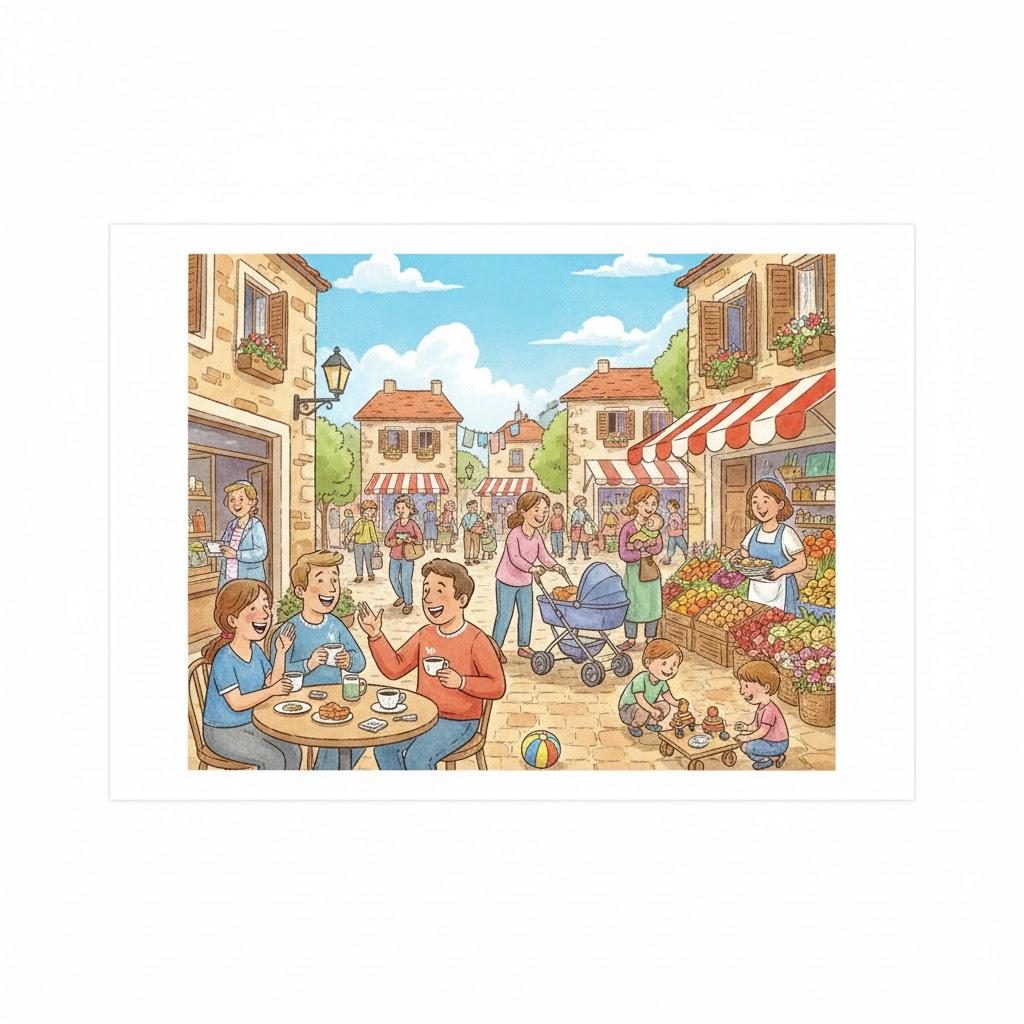
עִנְיַן יוֹם יוֹם. עִנְיְנֵי שִׁגְרָה. דְּבָרִים סְתָמִיִּים. הַהֶפֶךְ מֵעִנְיְנֵי קְדֻשָּׁה.
("תַּלְמוּד לוֹמַר: לֹא יָחֵל דְּבָרוֹ שֶׁלֹּא יַעֲשֶׂה דְּבָרָיו חֻלִּין"-יְרוּשַׁלְמִי נְדָרִים ב, א, וְכֵן:"רוּחַ נָכוֹן לְכַוֵּן דַּעְתִּי לְהַרְחִיק דִּבְרֵי חֹל וְתַעֲנוּגֵי עוֹלָם הַזֶּה כִּי הֵם הַדְּבָרִים הַפּוֹגְמִים מֵעִקָּרָם וּפוֹגְמִים פְּגִימַת בָּשָׂר"- אוֹר הַחַיִּים הַקְדָּמָה,וְכֵן:" כִּי בַּפֶּה שֶׁמְּדַבֵּר דִּבְרֵי תּוֹרָה אֵין רָאוּי לְדַבֵּר בּוֹ דִּבְרֵי חֻלִּין, הַמַּבְדִּיל בֵּין קֹדֶשׁ לְחֹל"- שְׁלָ"ה שַׁעַר הָאוֹתִיּוֹת אוֹת שִׁי"ן: שְׁתִיקָה, וְכֵן:"הֲרֵי פָּגַשׁ בִּפְלוֹנִי וְנִזְדַּמֵּן בְּאַלְמוֹנִי, שֶׁהָיוּ מִתְכַּבְּדִים בּוֹ, מְאִירִים לוֹ פָּנִים וְחוֹזְרִים אַחֲרָיו לָסִיחַ עִמּוֹ וְלֵהָנוֹת מְשִׁיחוֹ, הֵן בְּדִבְרֵי חֻלִּין וְהֵן בְּדִבְרֵי תּוֹרָה, וְעַכְשָׁו בֵּרְכוּהוּ בְּשָׂפָה רָפָה"- י.בּוּרְלָא/ כִּסּוּפִים, 283, וְכֵן:"וְהָיוּ מוֹצְאִים רֻבּוֹ שֶׁל יוֹם בְּדִבְרֵי חֻלִּין, לִכְבִיסַת בְּגָדִים וְלִכְרִיכַת סְפָרִים, וּלְתִסְפֹּרֶת הַזָּקֵן, וְלַהֲצָצָה בַּחֲדָשׁוֹת הַפּוֹלִיטִיקָה בָּעִתּוֹן"- חַיִּים סָבָתוֹ/ כְּעַפְעַפֵּי שַׁחַר, 92)
תרגום
ביטוי (אנגלית)
Words of Secular, Words of Mundane
הגדרה (אנגלית)
Daily matters. Matters of routine. Ordinary words. The opposite of matters of holiness.
(The Talmud says: One should not hope that his matters will not be made mundane — Jerusalem Talmud, Nedarim 2:1. Also: It is the proper spirit to intend to distance words of secular and the pleasures of this world, for they are the things that fundamentally blemish and damage the flesh — Or HaChaim, introduction. Also: Since the mouth that speaks words of Torah is not fitting to speak mundane words, which separate between holy and profane — Shlah, Gate of Letters, Letter Shin: Silence. Also: When one meets someone and happens upon an inn where they were honored, shown favor, followed to chat and enjoy his anointing — whether in mundane words or words of Torah — and now bless him with a loose tongue — Y. Burla, Kisufim 283. Also: They would spend most of the day in mundane words, for washing clothes, wrapping books, beard grooming, and gossiping about the latest political news in the newspaper — Chaim Sabato, Eyelids of Dawn, 92.)