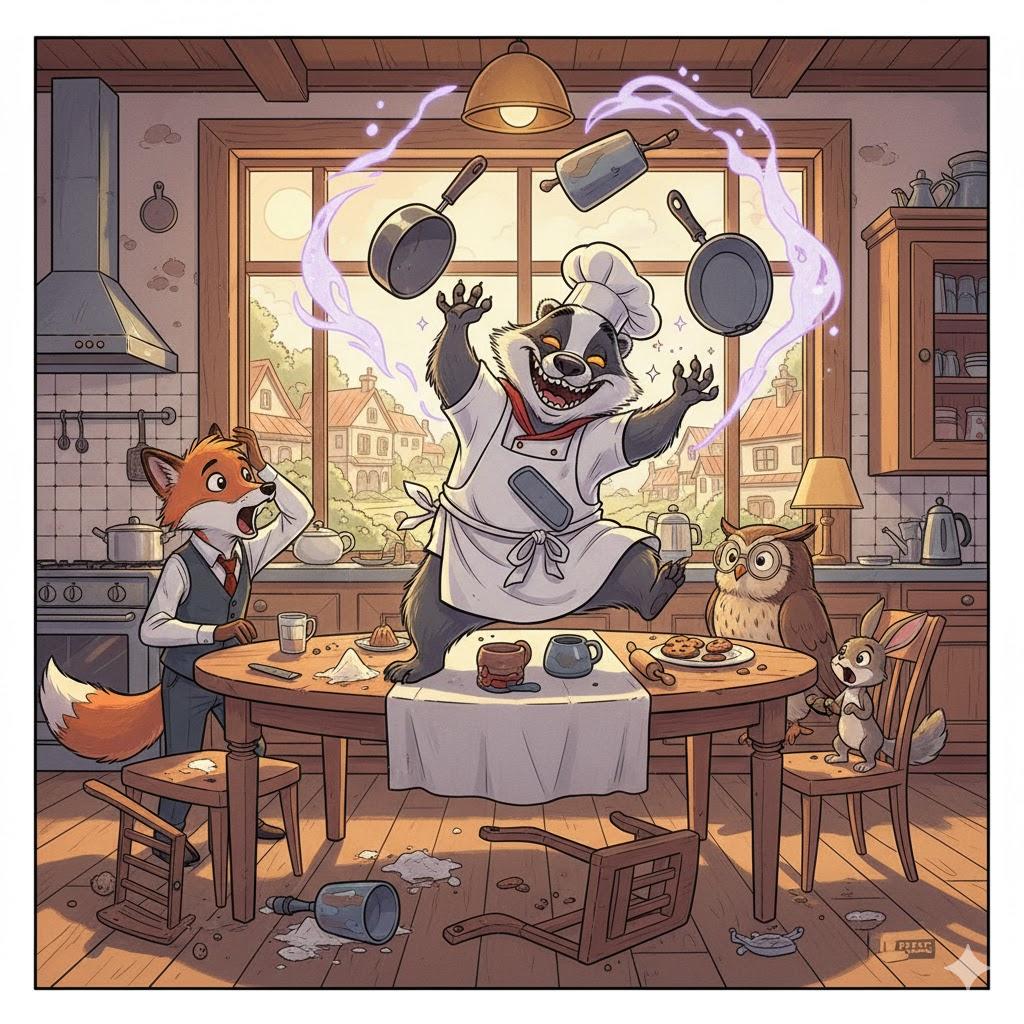
אֵין אָדָם עוֹבֵר עֲבֵרָה אֶלָּא אִם כֵּן נִכְנַס בּוֹ רוּחַ שְׁטוּת
אָדָם מְבַצֵּעַ עֲבֵרָה רַק אִם אִבֵּד אֶת שִׁקּוּל דַּעְתּוֹ.
("רֵישׁ לָקִישׁ אָמַר: אֵין אָדָם עוֹבֵר עֲבֵרָה אֶלָּא אִם כֵּן נִכְנַס בּוֹ רוּחַ שְׁטוּת, שֶׁנֶּאֱמַר (בַּמִּדְבָּר ה) אִישׁ אִישׁ כִּי תַּשְׁטֶה אִשְׁתּוֹ"-סוֹטָה ג ע"א, וְכֵן:"בָּזֶה שֶׁנִּכְנַס בּוֹ רוּחַ שְׁטוּת, הָיִינוּ הִרְהוּרֵי זְנוּת, וְהוּא מַשְׁבֵּר תַּאֲוָתוֹ, בָּזֶה הוּא מֵפִיק וּמוֹצִיא נִיצוֹצִי הַקְּדוֹשָׁה"- ר' נַחְמָן מִבְּרֶסְלָב/ לִקּוּטֵי מוהר"ן, תּוֹרָה כ"ח)
תרגום
ביטוי (אנגלית)
A man does not sin unless a spirit of madness has entered into him
הגדרה (אנגלית)
A person commits a transgression only when he has lost his good judgment.
(Reish Lakish said: A person does not commit a transgression unless a spirit of madness has entered into him, as it is said (Numbers 5): 'If any man's wife go aside.' (Sotah 3a). And also: 'In that the spirit of madness entered him, i.e., thoughts of lust, and when he breaks his desire, he thereby draws out sparks of holiness.' - Rabbi Nachman of Breslov, Likutei Moharan, Torah 28)