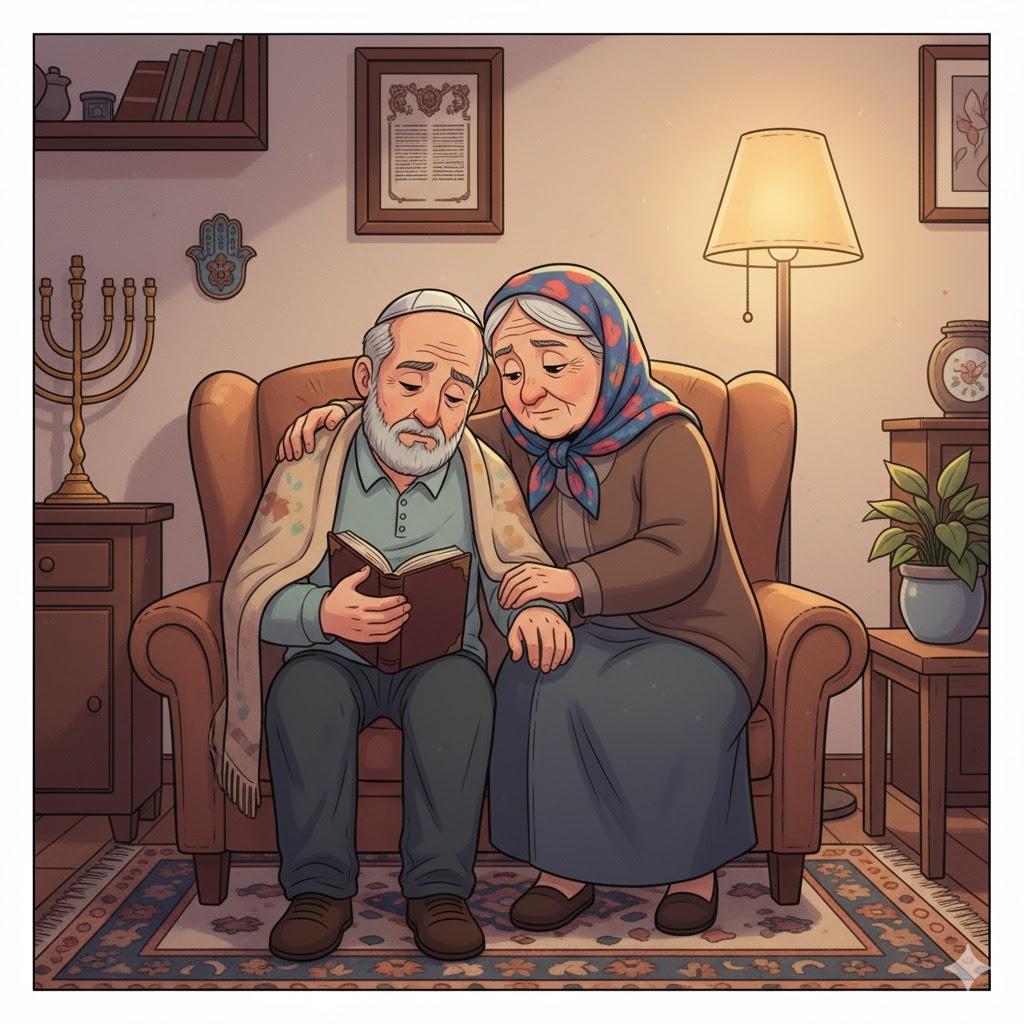
אֵין אִישׁ מֵת אֶלָּא לְאִשְׁתּוֹ וְאֵין אִשָּׁה מֵתָה אֶלָּא לְבַעֲלָהּ
הַסּוֹבֵל הָעִקָּרִי מִמּוֹתוֹ שֶׁל אָדָם הִנּוֹ בֶּן הַזּוּג שֶׁלּוֹ, וְהוּא זֶה שֶׁכּוֹאֵב בַּצּוּרָה הַחֲזָקָה בְּיוֹתֵר אֶת אָבְדָנוֹ.
("אֵין אִישׁ מֵת אֶלָּא לְאִשְׁתּוֹ- שֶׁנֶּאֱמַר: וְיָמוּת אֱלִימֶלֶךְ אִישׁ נָעֳמִי, וְאֵין אִשָּׁה מֵתָה אֶלָּא לְבַעֲלָהּ-שֶׁנֶּאֱמַר: וַאֲנִי בְּבוֹאִי מִפַּדָּן מֵתָה עֲלֵי רָחֵל"- סַנְהֶדְרִין כב ע"ב, וְכֵן:"אֵין אִשָּׁה מֵתָה אֶלָּא לְבַעֲלָהּ.לֹא שָׁמַע לְקוֹל יוֹעֲצִים וְלֹא חָזַר וְנָשָׂא אִשָּׁה"- עַגְנוֹן/ עִיר וּמְלוֹאָהּ, 185)
תרגום
ביטוי (אנגלית)
No man dies except for his wife, and no woman dies except for her husband
הגדרה (אנגלית)
The primary one who suffers from a person's death is their spouse, who feels the loss most deeply.
("No man dies except for his wife—as it is said: ‘And Elimelech, Naomi’s husband, died’; and no woman dies except for her husband—as it is said: ‘And as I came from Paddan, Rachel died upon me’"—Sanhedrin 22b. Also: "No woman dies except for her husband. He did not heed the advice of counselors and did not remarry"—Agnon, A City and Its Fullness, 185.)