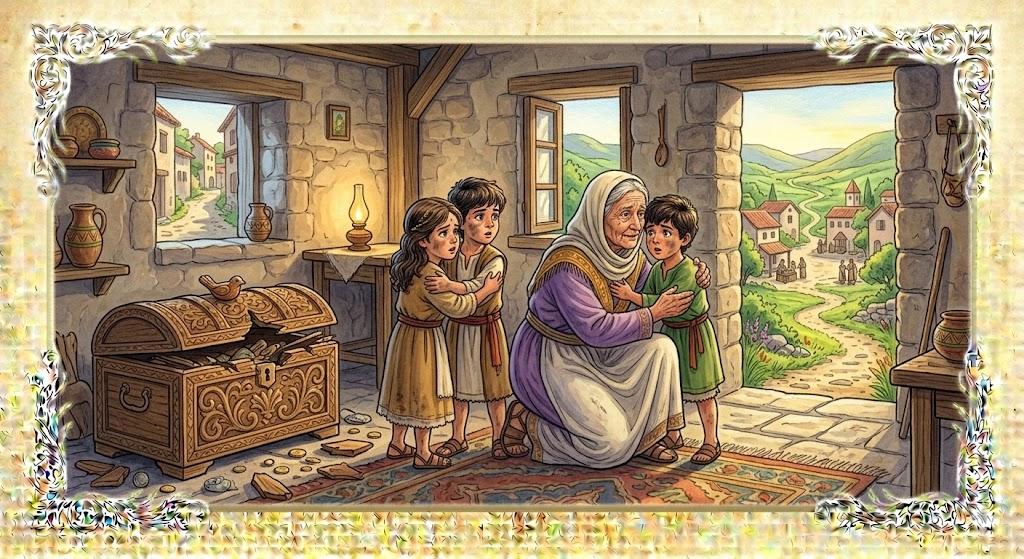
הַפַּח נִשְׁבָּר וַאֲנַחְנוּ נִמְלָטְנוּ
בִּמְלִיצָה: נִצַּלְנוּ מְצֵרָה. נִמְלַטְנוּ מֵהַמַּלְכֹּדֶת. אוֹ בְּהַשְׁאָלָה: בִּטּוּי הַנֶּאֱמָר כְּשֶׁנִּשְׁבַּר חֵפֶץ כְּמוֹ הַבִּטּוּי "כַּפָּרַת עֲווֹנוֹת" (פַּח מַשְׁמָע מַלְכֹּדֶת).
("נַפְשֵׁנוּ כְּצִפּוֹר נִמְלְטָה מִפַּח יוֹקְשִׁים הַפַּח נִשְׁבָּר וַאֲנַחְנוּ נִמְלָטְנוּ"- תְּהִלִּים קכד ז, וְכֵן:"חֶלְדֵּךְ עָבַר וְהַפַּח לֹא נִשְׁבַּר/ וּמָה תָּשִׁיבִי אֶת שׁוֹלְחֵךְ דָּבָר"- יְהוּדָה אִבְּן גִּיאָת ( הַמֵּאָה הי"א)/ יוֹנָה פּוֹתָה)
תרגום
ביטוי (אנגלית)
To escape a dire troube/ the snare is broken and we escaped
הגדרה (אנגלית)
Figuratively: we were saved from distress. We escaped from a snare/trap. Or metaphorically: an expression used when an object breaks, similar to the phrase "atonement for sins" (פַּח meaning snare/trap).
("We have fled like a bird from the reeds of the reeds, the reed is broken, and we have escaped" - Psalms 227, and so: "Your rod has passed, but the reed is not broken/ And how will you answer your messenger?" - Yehuda Ibn Giyot (11th century)/ Yonah Putah)