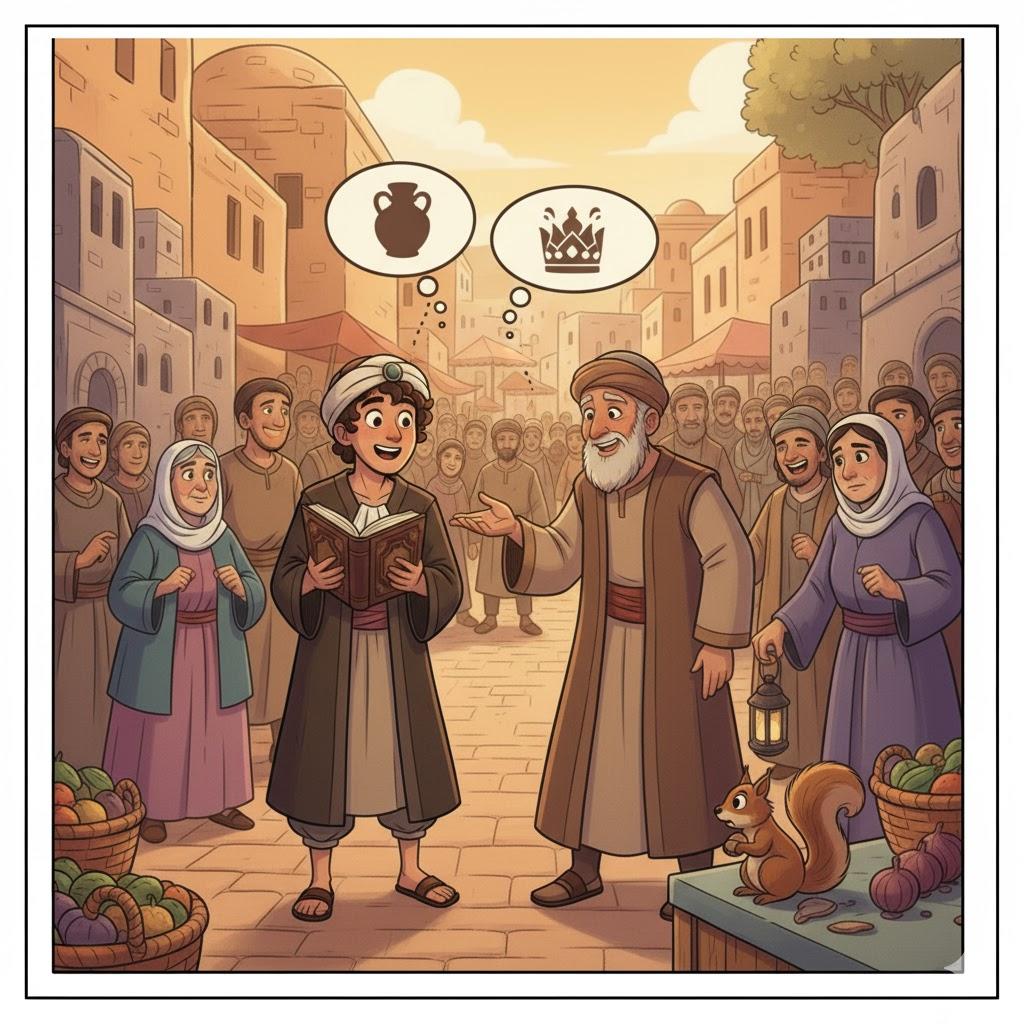
אַל תִּקְרִי...אֶלָּא ...
אַל תִּקְרִי אֶת הַטֶּקְסְט כָּךְ...אֶלָּא כָּךְ..., דֶּרֶךְ פַּרְשָׁנִית לִיצֹק תֹּכֶן חָדָשׁ לְמַה שֶּׁכָּתוּב בְּאֶמְצָעוּת שִׁנּוּי קָטָן בְּנִקּוּד אוֹ בְּאוֹתִיּוֹת, כָּךְ שֶׁמִּתְקַבֵּל פֵּרוּשׁ מְקוֹרִי הַבָּא בְּנוֹסָף לְמַה שֶּׁכָּתוּב בַּטֶּקְסְט הַמָּקוֹרִי.
("והיינו דאמרה חנה(שמואל א ב ב): אֵין קָדוֹשׁ כַּה' כִּי אֵין בִּלְתֶּךָ וְאֵין צוּר כֵּאלֹהֵינוּ"-מאי אין צור כאלהינו?- אין צייר כאלהינו. מאי כִּי אֵין בִּלְתֶּךָ ?- אמר רבי יהודה בר מנסיא: אל תקרי כי אין בלתך אלא אין לבלותך, שלא כמדת הקדוש ברוך הוא מדת בשר ודם: מדת בשר ודם- מעשה ידיו מבלין אותו, והקדוש ברוך הוא מבלה מעשיו"- ברכות י ע"א, וכן:"דרך הדרוש אשר הורגלו חז"ל בלשון אל תקרי כך אלא כך ,המה דרך חז"ל , המה דרך מליצת השיר , להמליץ על המידות הטובות...סמכוהו למקרא למען יזכירו...שלא ישכח זכרם.לא שהייתה כוונתם לפרש הכתובים ככה ולהוציאם מפשטם"- הקדמת הרב צבי הירש חיות לספר עין יעקב)
תרגום
ביטוי (אנגלית)
Read not…but… / Do not read this but…
הגדרה (אנגלית)
Do not read the text this way…but rather that way… A method of interpretation used to infuse new meaning into what is written by making a small change in the vowels or letters, so that an original interpretation is added alongside the plain meaning of the original text.
("And this is what Hannah said (I Samuel 2:2): 'There is none holy as the Lord, for there is none beside You, neither is there any rock like our God.' – What does it mean, 'There is no rock like our God'? There is no artist like our God. What does it mean, 'for there is none beside You'? Rabbi Yehuda bar Menasya said: Do not read 'for there is none beside You' but 'for there is no wearing out of You'; for the ways of the Holy One, blessed be He, are not like the ways of flesh and blood. The works of flesh and blood wear out their maker, but the Holy One, blessed be He, wears out His works." – Berakhot 10a. Also: "The interpretive method to which the Sages have become accustomed, with the phrase 'Do not read this, but that' – this is the way of the Sages, the way of poetic style, to offer allegories about good traits... They attached it to Scripture so that it would be remembered... not that their intention was to explain the verses this way and remove them from their simple meaning." – Introduction of Rabbi Zvi Hirsch Chajes to Ein Yaakov)