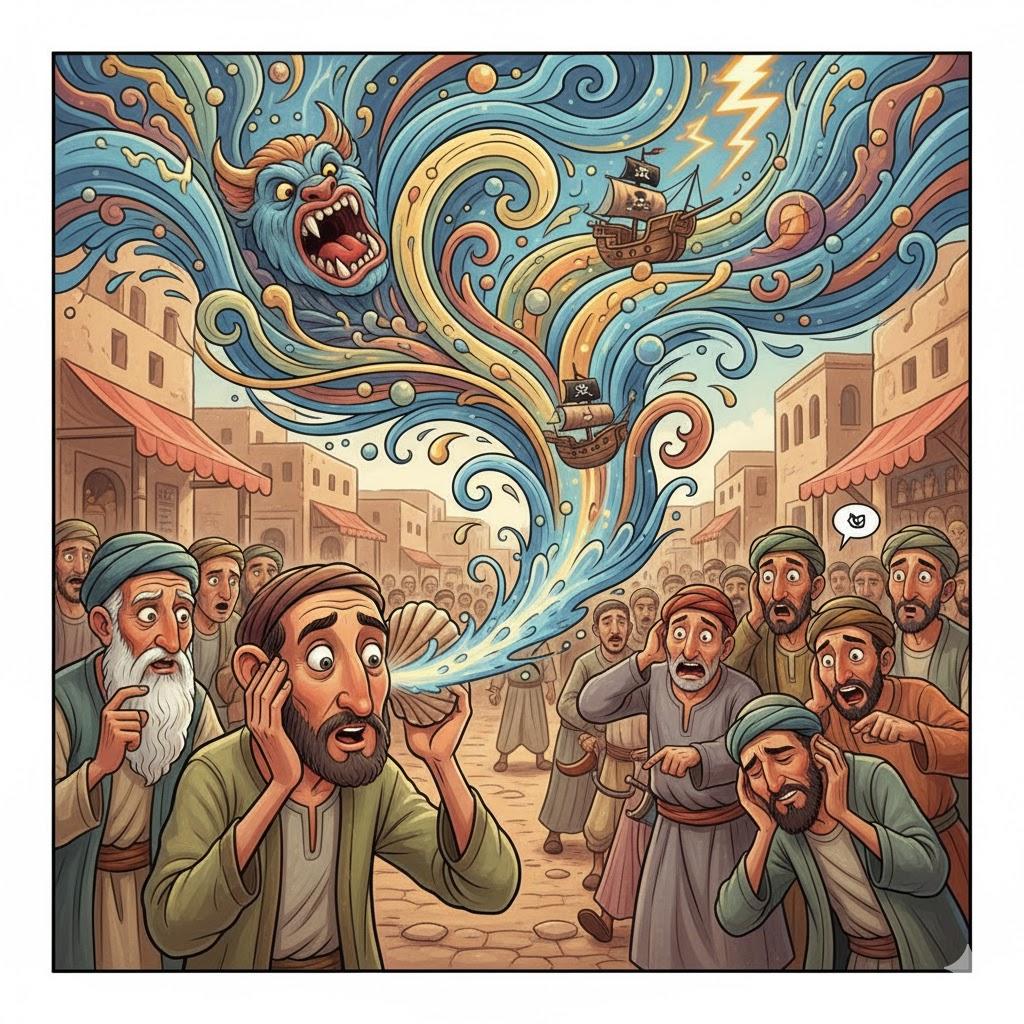
אַל יוֹסִיף אָדָם עַל דְּבָרִים שֶׁשּׁוֹמֵעַ
אָסוּר לָאָדָם לְהוֹסִיף דְּבָרִים מִשֶּׁלּוֹ כְּשֶׁהוּא מְסַפֵּר עַל דְּבָרִים שֶׁשָּׁמַע.
("וְהוּא יְמַשֵּׁל בָּךְ שהאיש תּוֹבֵעַ בַּפֶּה והאשה תובעת בַּלֵּב עֲטוּפָה כאבל וחבושה בַּבַּיִת האסורין ומנודה מִכָּל אָדָם: מִי גְּרָם לנגיעה? זוֹ סייג שסג אָדָם הָרִאשׁוֹן לִדְבָרָיו. מִכָּאן אָמְרוּ אִם סג אָדָם לִדְבָרָיו אֵין יָכוֹל לַעֲמֹד בִּדְבָרָיו. מִכָּאן אָמְרוּ אֶל יוסיף אָדָם עַל דְּבָרִים שֶׁשּׁוֹמֵעַ. ר' יוֹסִי אוֹמֵר טוֹב עֲשָׂרָה טפחים וְעוֹמֵד מִמֵּאָה אִמָּהּ ונופל"- מסכתות קְטַנּוֹת מַסֶּכֶת אָבוֹת דרבי נָתָן נוסחא א פֶּרֶק א)
תרגום
ביטוי (אנגלית)
Let a person not add to things he hears
הגדרה (אנגלית)
A person must not add his own words when recounting things he has heard.
(“And he shall rule over you, for the man asserts with his mouth and the woman asserts in her heart, wrapped as a mourner and imprisoned in the house of bondage, ostracized from everyone: Who caused the contact? This is the fence that the first man made for his words. From here they said: If a person fences himself with his words, he cannot uphold them. From here they said: Let a person not add to things he hears. Rabbi Yossi says: Better ten handbreadths and standing than a hundred cubits and falling.” - Minor Tractates, Avot de-Rabbi Natan, Version A, Chapter 1)