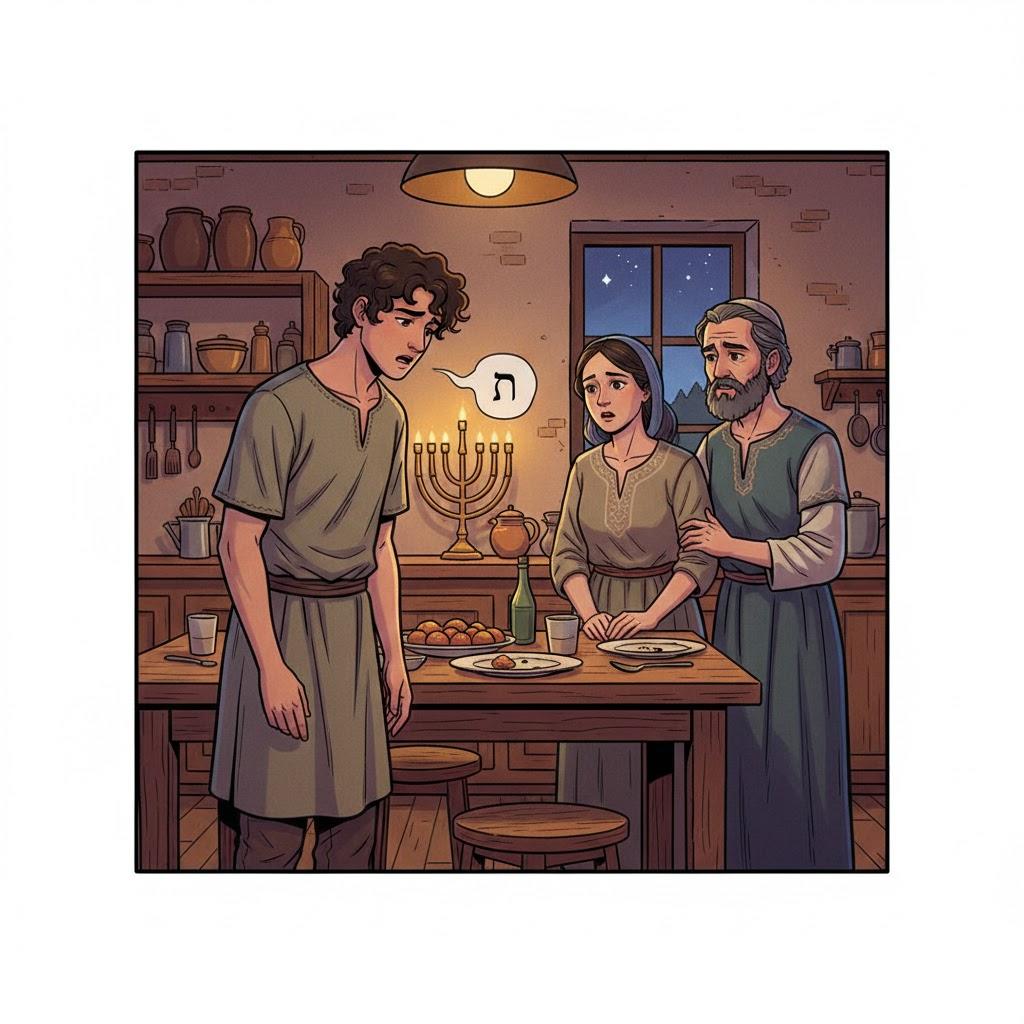
בְּחֲצִי פֶּה
בְּהַשְׁאָלָה: בְּדִבּוּר מְהוֹסָס. בְּשָׂפָה רָפָה אוֹ בְּדִבּוּר לְלֹא בִּטָּחוֹן (הַמָּקוֹר בְּאַרָמִית: בִּפְלָגוֹת פּוּמְךָ. הִפּוּכוֹ שֶׁל הַבִּטּוּי הוּא הַבִּטּוּי "בְּפֶה מָלֵא" שֶׁמָּקוֹרוֹ בְּתְּהִלִּים קכו ב: "אָז יִמָּלֵא שְׂחוֹק פִּינוּ וּלְשׁוֹנֵנוּ רִנָּה").
("אָמַר לֵיהּ רַבִּי זְעִירָא, אָמַר לֵיהּ בִּפְלָגוֹת פּוּמְךָ"– פְּסָחִים ל"ז ע"א, וְכֵן: "לֹא הֵרְפָה לְדַר מִמָּא מַמְלֶמֶלֶת בְּחֲצִי פֶּה כִּי הָרוֹפְאִים וְהָאַחְיוֹת בּ'טִיפַּת חָלָב' מַמְלִיצִים עַל סוּג זֶה שֶׁל מָזוֹן"– חַיִּים בַּאר / נוֹצָרוֹת, 78)
תרגום
ביטוי (אנגלית)
Half-spoken / hesitantly / with uncertainty in speech
הגדרה (אנגלית)
Figuratively: speaking hesitantly; in a weak or uncertain speech (origin in Aramaic: b’plagot pumcha). The opposite expression is “with a full mouth,” from Psalms 33:2: “Then our mouth shall be filled with laughter, and our tongue with song”).
(“Rabbi Zeira said to him, he said to him: b’plagot pumcha” — Pesachim 37a; and likewise: “The mother did not relax in feeding her baby, mumbling half-spoken words, because the doctors and nurses at Tipat Halav recommend this type of food” — Chaim Bialik / Notsot, 78.)