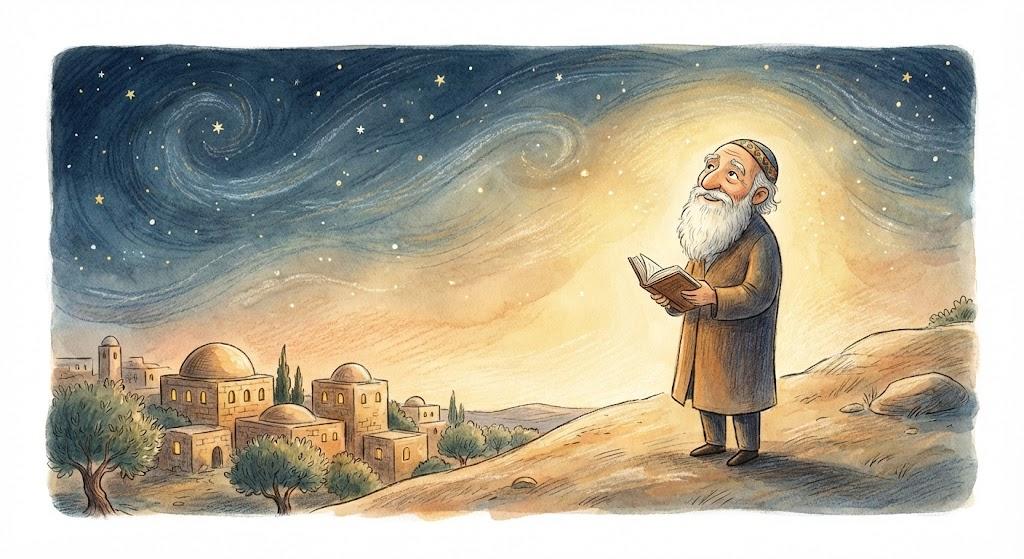
בֵּין אָדָם לַמָּקוֹם
בְּיַחֲסִים שֶׁבֵּין הָאָדָם לֵאלֹהָיו ('מָקוֹם' הוּא כִּינוּי לַה' בִּלְשׁוֹן חֲזָ"ל, כְּמָאוֹר הַמִּדְרָשׁ: "מִפְּנֵי מָה מַכְנִין שְׁמוֹ שֶׁל הַקָּדוֹשׁ בָּרוּךְ הוּא וְקוֹרְאִין אוֹתוֹ מָקוֹם? – שֶׁהוּא מְקוֹמוֹ שֶׁל הָעוֹלָם וְאֵין עוֹלָמוֹ מְקוֹמוֹ" – בְּרֵאשִׁית רַבָּה, פְּרָשַׁת וַיֵּצֵא, פָּרָשָׁה ס״ח).
("הָאוֹמֵר אָחֲטָא וְאָשׁוּב אָחֲטָא וְאָשׁוּב אֵין מַסְפִּיקִין בְּיָדוֹ לַעֲשׂוֹת תְּשׁוּבָה. (הָאוֹמֵר) אָחֲטָא וְיוֹם הַכִּפּוּרִים מְכַפֵּר – אֵין יוֹם הַכִּפּוּרִים מְכַפֵּר. עֲבֵרוֹת שֶׁבֵּין אָדָם לַמָּקוֹם – יוֹם הַכִּפּוּרִים מְכַפֵּר, עֲבֵרוֹת שֶׁבֵּין אָדָם לְחָבִירוֹ אֵין יוֹם הַכִּפּוּרִים מְכַפֵּר עַד שֶׁיְרַצֶּה חֲבֵרוֹ" – יוֹמָא ח׳ ז׳)
תרגום
ביטוי (אנגלית)
Between man and God
הגדרה (אנגלית)
In the relationships between a person and his God (‘Makom’ is a designation for God in the language of the Sages, as the Midrash states: “Why is the name of the Holy One, blessed be He, written as ‘Makom’? – Because He is the place of the world, and the world is not His place” – Bereishit Rabbah, Parashat Vayetze, section 68).
("One who says ‘I will sin and return, I will sin and return’ is not given the power to truly repent. (One who says) ‘I will sin and Yom Kippur atones’ – Yom Kippur does not atone. Sins between man and God – Yom Kippur atones; sins between man and his fellow – Yom Kippur does not atone until he satisfies his fellow" – Yoma 8:7)