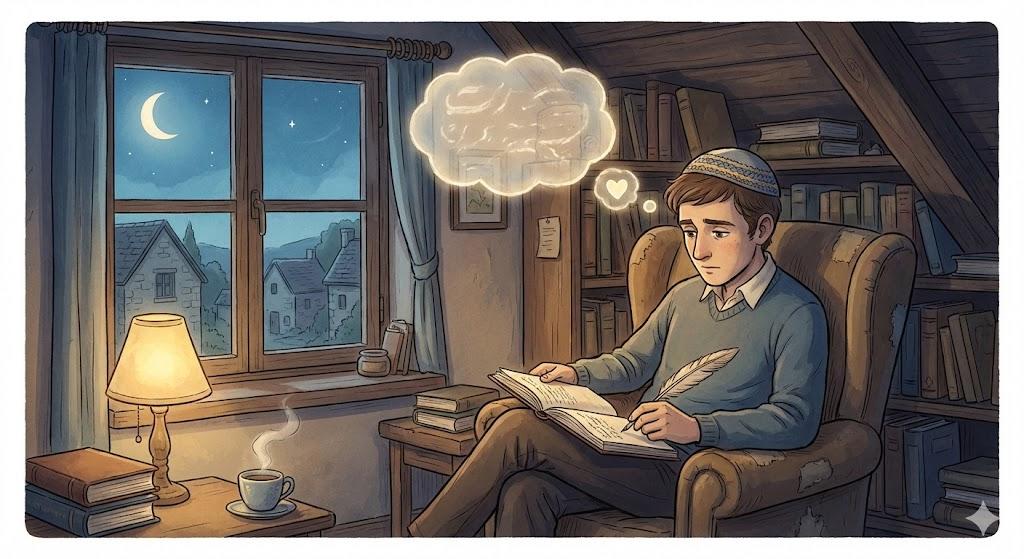
בֵּינוֹ לְבֵין עַצְמוֹ
הוּא עִם מַחְשְׁבוֹתָיו הַפְּנִימִיוֹת וְהָאִישִׁיוֹת. הֲרָהוֹרוֹת פְּנִימִיוֹת.
("אֵלּוּ מֵבִיאִין וְלֹא קוֹרִין: הַגֵּר מֵבִיא וְאֵינוֹ קוֹרֵא- שֶׁאֵינוֹ יָכוֹל לוֹמַר 'אֲשֶׁר נִשְׁבַּע ה' לַאֲבוֹתֵינוּ לָתֵת לָנוּ', וְאִם הָיְתָה אִמּוֹ מִיִשְׂרָאֵל מֵבִיא וְקוֹרֵא. וּכְשֶׁהוּא מִתְפַלֵּל בֵּינוֹ לְבֵין עַצְמוֹ אוֹמֵר אֱלֹהֵי אֲבוֹת יִשְׂרָאֵל"- בִּיכוּרוֹת א ד, וְכֵן:"יִרְאֶה אֶת עַצְמוֹ בִּפְנֵיהֶם שֶׁהוּא כּוֹעֵס, כְּדֵי לְיָסְרָם, וִתְהֵי דַעְתּוֹ מְיוּשֶׁבֶת בֵּינוֹ לְבֵין עַצְמוֹ, כְּאָדָם שֶׁהוּא מְדַמֶּה אִישׁ בְּשַׁעַת כַּעַסוֹ, וְהוּא אֵינוֹ כּוֹעֵס"- הָרַמְבָּ"ם/ סֵפֶר הַמַּדָּע, הֲלָכוֹת דֵּעוֹת, פֶּרֶק שֵׁנִי, ג, 98, וְכֵן:"אַשְׁרֵי עַיִן רָאֲתָה אֶת סֶנְדְרִיל אֵיךְ הוּא חוֹזֵר עַל לִימוּדוֹ וּמִתְחַנֵּךְ בֵּינוֹ לְבֵין עַצְמוֹ בְּתַכְסִיסֵי מִלְחָמָה"- מֶנְדֶּלִי מוֹ"ס/ מַסְעוֹת בִּנְיָמִין הַשְּׁלִישִׁי יג, צה, וְכֵן:"בָּרֶם בֵּינוֹ לְבֵין עַצְמוֹ דּוֹמֶה הָהָר כְּאִלּוּ נָתוּן הוּא תָדִיר בְּהֲרָהוֹרוֹת וְגָדוֹשׁ סְרָעָפִים"- י. בּוּרְלָא/ כִּיסוּפִים, 51, וְכֵן:"לַעֲס לוֹ לְאִיטּוֹ מִתּוֹךְ הֲרָהוֹרֵי דְבָרִים שֶׁהָיוּ לוֹ שָׁם בֵּינוֹ לְבֵין עַצְמוֹ"- ח. הַזָּז/ דּוֹרוֹת הָרִאשׁוֹנִים, 28)
תרגום
ביטוי (אנגלית)
between himself
הגדרה (אנגלית)
He is with his internal and personal thoughts. Inner reflections.
("These bring and do not read: the convert brings and does not read—because he cannot say 'which the Lord swore to our fathers to give us', and if his mother was from Israel, he brings and reads. And when he prays between himself he says 'God of the fathers of Israel'—Bikurim 1:4; and also: 'He sees himself in their presence as being angry, in order to discipline them, and his mind is settled between himself, like a person imagining another in a moment of anger, while he himself is not angry'—Rambam, Sefer HaMada, Hilchot De’ot, Chapter 2, 3, 98; and also: 'Blessed is the eye that saw Sandril, how he repeats his studies and educates himself between himself with war strategies'—Mendele Mo’os/Travels of Benjamin III 13, 96; and also: 'Yet between himself it is as if the mountain is constantly immersed in reflections and full of thoughts'—Y. Burla, Kisufim, 51; and also: 'He chews slowly from reflections on matters that were with him there between himself'—H. Hazzaz, Dorot HaRishonim, 28).