בְּיָעַר חָמֵץ, בִּבְעוּר חָמֵץ
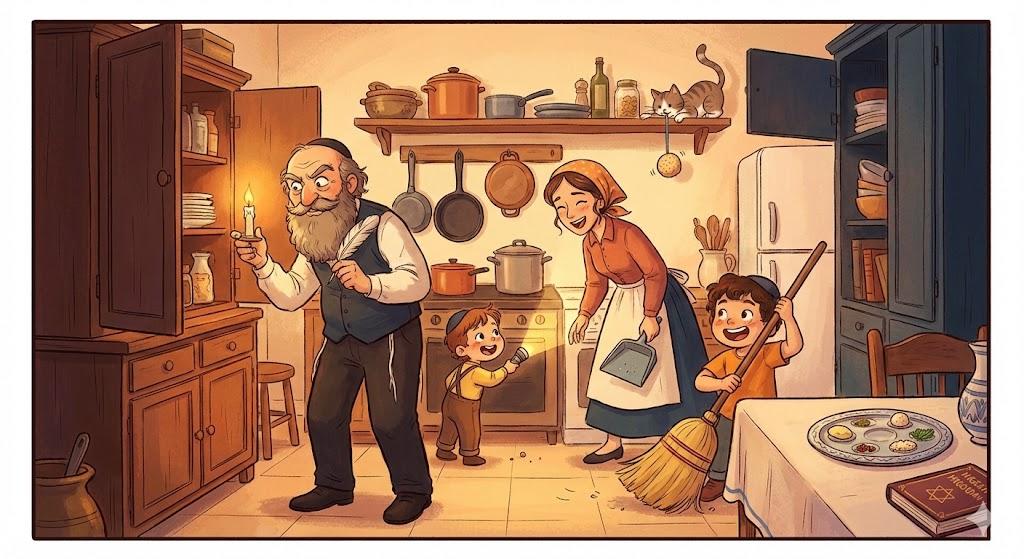
נִיקּוּי הַמָּקוֹם מֵחָמֵץ בְּעֵרֶב פֶּסַח. בַּהֲשָׁלָה: סִלּוּק כָּל דְּבָרִים הָאֲסוּרִים, נִקָּיוֹן כְּלָלִי (לִבְעֹר מַשְׁמָע לְפָנוֹת, לְסַלֵּק אוֹ לְטַהֵר).
("רבי יהודה אומר: אין ביעור חמץ אלא שריפה, וחכמים אומרים: אף מפרר וזורה לרוח או מטיל לים"- פֶּסַחִים ב א, וְכֵן:"כְּחֵצִי שָׁעָה אַחַר בְּעֹר חָמֵץ מֹשֶׁה סוֹף סוֹף הָעֲגָלָה מִמְּקוֹמָה וַאֲנִי בְּתוֹכָה"- בְּיַאלִיק/ הַחֲצוּצְרָה נִתְבָּשָׁה, ג קְלֵט)
תרגום
ביטוי (אנגלית)
removal of leavened bread (on the eve of Passover) / mopping-up operation
הגדרה (אנגלית)
Cleaning the place of leaven on the eve of Passover. Figuratively: removal of all forbidden items, general cleaning (li’bo’er means to clear, remove, or purify).
("Rabbi Yehuda says: the removal of leaven is only by burning, and the sages say: it may also be crumbled and sifted to the wind or thrown into the sea"—Pesachim 2a; and also: "About half an hour after the removal of leaven, Moses finally moved the cart from its place and I was inside it"—Bialik, HaChatzotzera Nitbasha, 3, 135).