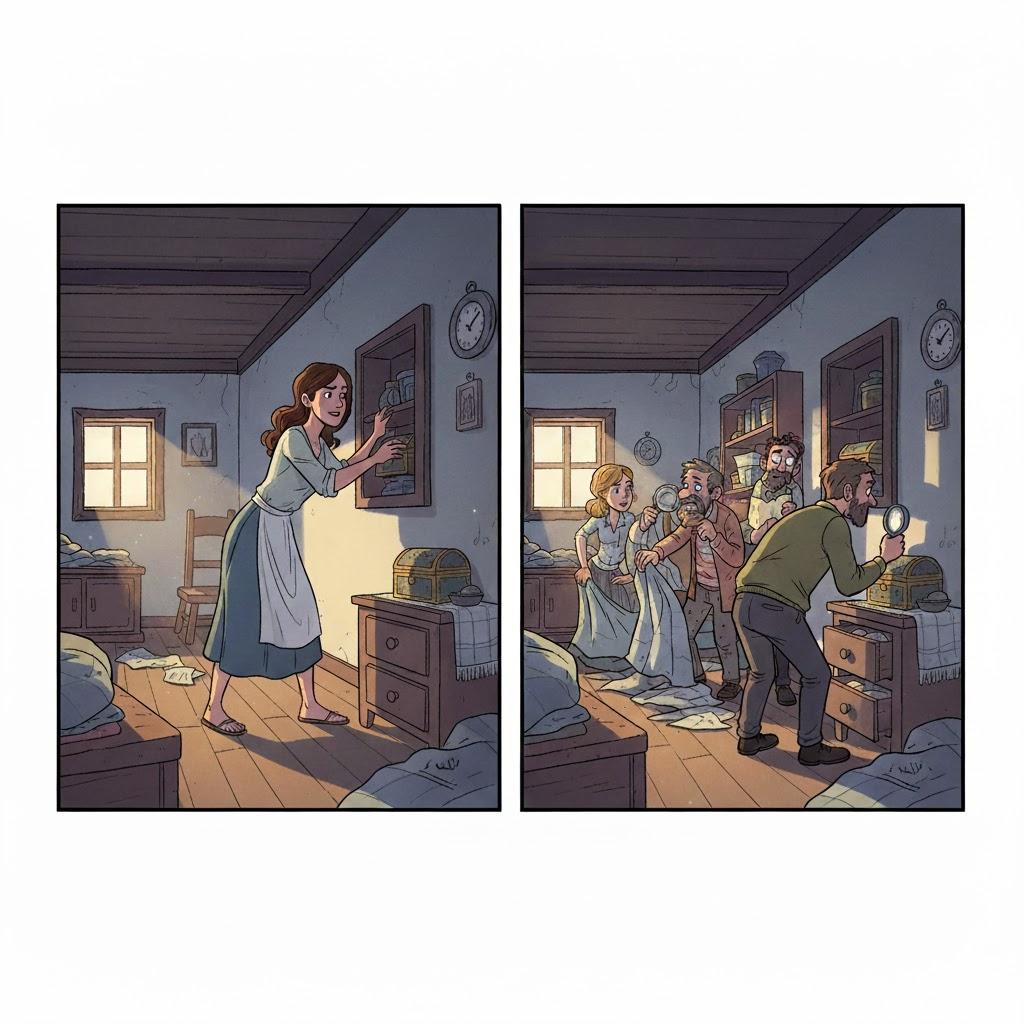
it has disappeared entirely/ neither visible nor findable
Forbidden to be found. By extension: disappeared entirely; not present. (The original source is in the verses Deuteronomy 16:4: "No leaven shall be seen with you in all your territory for seven days," and likewise Exodus 12:19: "For seven days, no leaven shall be found in your houses.")
("What is the difference between the first Passover and the second? – The first is forbidden with 'shall not be seen and shall not be found', and the second, matzah and leaven are together" – Pesachim 9:3, and similarly: "I can no longer hide you... a Jew in the village—forbid it, absolutely forbid it, in the sense of 'shall not be seen and shall not be found'. There they are now meticulous as a hair's breadth" – Bialik / The Shamed Trumpet, 134)
Translation
Expression (Hebrew)
בִּבְחִינַת: "בַּל יֵרָאֶה וּבַל יִמָּצֵא"
Definition (Hebrew)
אָסוּר שֶׁיִּמָּצֵא. בְּהַשְׁאָלָה: נֶעֱלַם כָּלִיל. לֹא בַּנִּמְצָא (הַמָּקוֹר הָרִאשׁוֹנִי בַּפְּסוּקִים בִּדְבָרִים טז ד: "וְלֹא יֵרָאֶה לְךָ שְׂאֹר בְּכָל גְּבֻלְךָ שִׁבְעַת יָמִים", וְכֵן בִּשְׁמוֹת יב יט: "שִׁבְעַת יָמִים שְׂאֹר לֹא יִמָּצֵא בְּבָתֵּיכֶם").
("מָה בֵּין פֶּסַח הָרִאשׁוֹן לַשֵּׁנִי?- הָרִאשׁוֹן אָסוּר בְּבַל יֵרָאֶה וּבַל יִמָּצֵא וְהַשֵּׁנִי מַצָּה וְחָמֵץ עִמּוֹ"-פְּסָחִים ט ג, וְכֵן:"אֵינִי יָכוֹל עוֹד הִצְפִּינֵךְ...יְהוּדִי בַּכְּפָר- חָלִילָה וְחָלִילָה, בְּבַל יֵרָאֶה וּבְבַל יִמָּצֵא. מְדַקְדְּקִים שָׁם עַכְשָׁו כְּחוּט הַשְּׂעָרָה"-בְּיָאלִיק/ הַחֲצוֹצְרָה נִתְבַּיְּשָׁה, קלד)