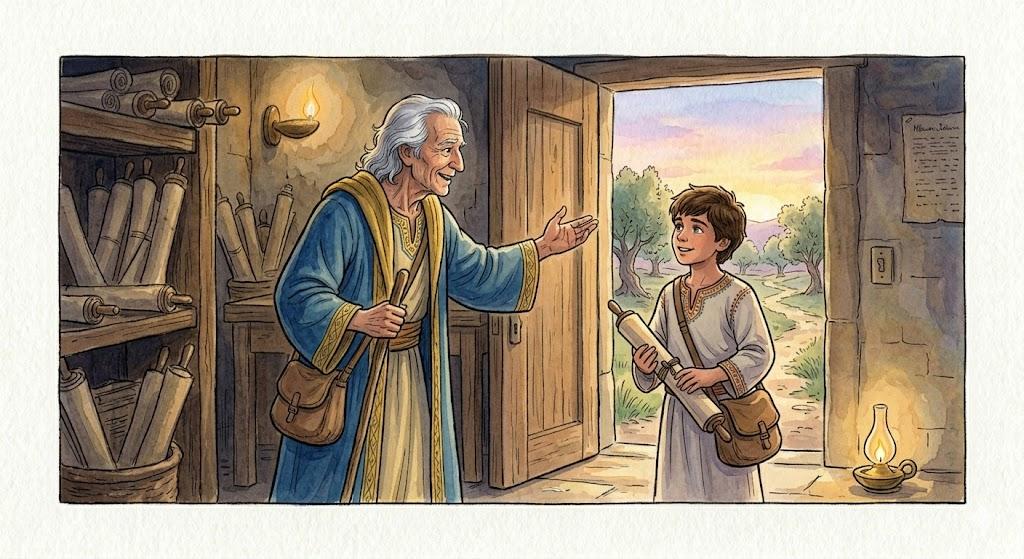
I am ready and willing; I am ready and willing.
I am prepared and ready. In the question: I am ready (the present tense is found, available).
("Behold, I am prepared and ready to fulfill the commandments of the Lord, as it is written in the Torah..." - the preliminary prayer before fulfilling certain commandments, and so: "The Jew, O Lord, was prepared and ready for this, that his return for its redemption should be offered to him in blood" - Mendel's Moses/ Masaot Binyamin Hashlishi 12, p. 1, and so: "Ah, behold, I am Prepared and ready, in all the glory of the Lord! - He says to me and tastes of the concoction in a small handful" - Peace be upon you/ Seventy-five thousand, like this, and so on: "And He conceived him prepared and ready to call him before us in completeness" - Byalik/ Records each later hand, merchant, teacher, and so on: "Conceived me prepared and ready to hear and to do all that I have eaten "As you wish" - Y. Burla/ Silvers, 168, as: "The mighty one will lift up his eyes and say, 'I am ready and ready to be ashamed'" - Agnon/ Orech Natah Lalon, 220)
Translation
Expression (Hebrew)
הִנְנִי מוּכָן וּמְזֻמָּן ,הֲרֵינִי מוּכָן וּמְזֻמָּן
Definition (Hebrew)
אֲנִי עָרוּךְ וּמוּכָן. בְּהַשְׁאָלָה: אֲנִי מַסְכִּים (מְזֻמָּן מַשְׁמָע נִמְצָא, זָמִין).
("הִנְנִי מוּכָן וּמְזֻמָּן לְקַיֵּם מִצְווֹת עֲשֵׂה, כְּמוֹ שֶׁכָּתוּב בַּתּוֹרָה..."- תְּפִלַּת הַקְדָּמָה לִפְנֵי קִיּוּם מִצְווֹת מְסֻיָּמוֹת, וְכֵן:"הַיְּהוּדִי הֲרֵי הָיָה מוּכָן וּמְזֻמָּן לְכָךְ, שֶׁתְּהֵא בִּיאָתוֹ לִפְרַדְיוֹנָהּ עוֹלֶה לוֹ בְּדָמִים"- מֶנְדֵּלֵי מו"ס/ מַסְּעוֹת בִּנְיָמִין הַשְּׁלִישִׁי יב, פֹּה, וְכֵן:"אָח,הִנְנִי מוּכָן וּמְזֻמָּן,בְּכָל הַדְרַת הַכָּבוֹד!- אוֹמֵר הוּא לִי וְטוֹעֵם מִן הַמִּרְקַחַת בְּכַף קְטַנָּה"- שָׁלוֹם עֲלֵיכֶם/ חֲמִשָּׁה וְשִׁבְעִים אֶלֶף, כֹּה, וְכֵן:"וַהֲרֵיהוּ מוּכָן וּמְזֻמָּן לְקָרְאוֹ לְפָנֵינוּ בִּשְׁלֵמוּת"- בְּיָאלִיק/ רְשִׁימוֹת כִּלְאַחַר יָד, סוֹחֵר, רמד, וְכֵן:"הֲרֵינִי מוּכָן וּמְזֻמָּן לִשְׁמֹעַ וְלַעֲשׂוֹת כָּל שֶׁאוּכַל כְּחֶפְצְךָ"- י.בּוּרְלָא/ כִּסּוּפִים, 168, כֵּן:"עָצַם יְרֹחָם עֵינָיו וְאָמַר, הֲרֵינִי מוּכָן וּמְזֻמָּן לְהִתְבַּיֵּשׁ"- עַגְנוֹן/ אוֹרֵחַ נָטָה לָלוּן, 220)