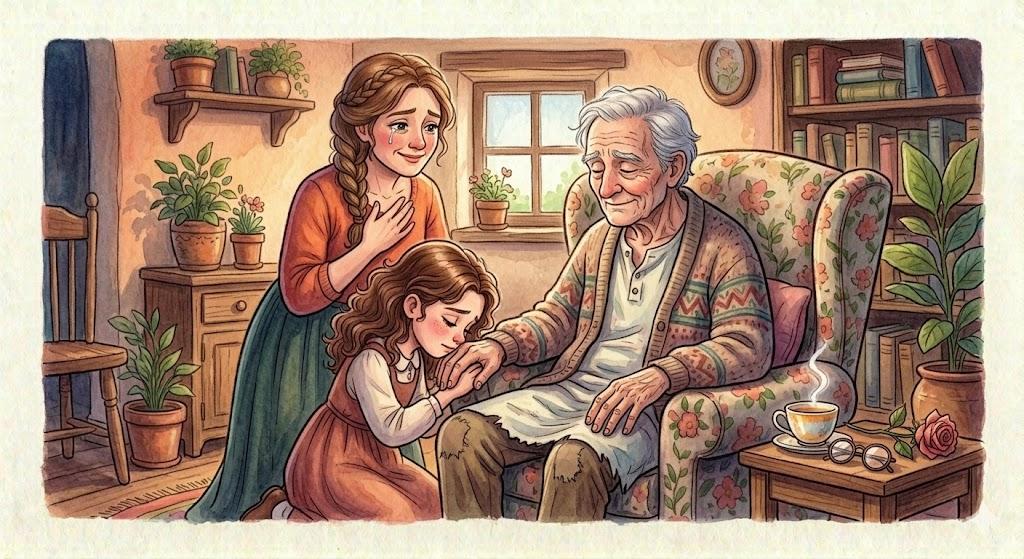
Ended with a weak voice of response
In the question: We will weaken. It ends and ends with a verb that begins with "noise" or with a loud announcement (the sound of the answer is heard in a song with a voice or with the sound of a song).
("And he said, There is no voice of a mighty man, nor a voice of a weak man; the voice of a weak man do I hear" - Shemot Lev 18 (Moses to Joshua at the descent of Mount Sinai), and so: "And the groaning of the weak is the last - the voice of a weak man/ From the top of your head, a delicate hanging as if it were broken" - H.N. Bialik/ In the city of slaughter)
Translation
Expression (Hebrew)
הִסְתַּיֵּים בְּקוֹל עֲנוֹת חֲלוּשָׁה
Definition (Hebrew)
בְּהַשְׁאָלָה: נֶחֱלַשׁ. הִסְתַּיֵּם וְנִגְמַר לַמְרוֹת שֶׁהֵחֵל בְּ"רַעַשׁ" אוֹ בְּפִרְסוּם רַב (קוֹל עֲנוֹת מִשְׁמָעוֹ שִׁירָה בְּקוֹל אוֹ תְּרוּעוֹת זִמְרָה).
("וַיֹּאמֶר אֵין קוֹל עֲנוֹת גְּבוּרָה וְאֵין קוֹל עֲנוֹת חֲלוּשָׁה קוֹל עַנּוֹת אָנֹכִי שֹׁמֵעַ"- שְׁמוֹת לֵב יח (מֹשֶׁה לִיהוֹשֻׁעַ בְּרִדְתָּם מֵהַר סִינַי), וְכֵן:"וְאֶנְקַת חֲשָׁאִים אַחֲרוֹנָה- קוֹל עֲנוֹת חֲלוּשָׁה/ מִמַּעַל לְרֹאשְׁךָ עָדִין תְּלוּיָה כְּמוֹ קְרוּשָׁה"- ח.נ. בְּיָאלִיק/ בְּעִיר הַהֲרֵגָה)