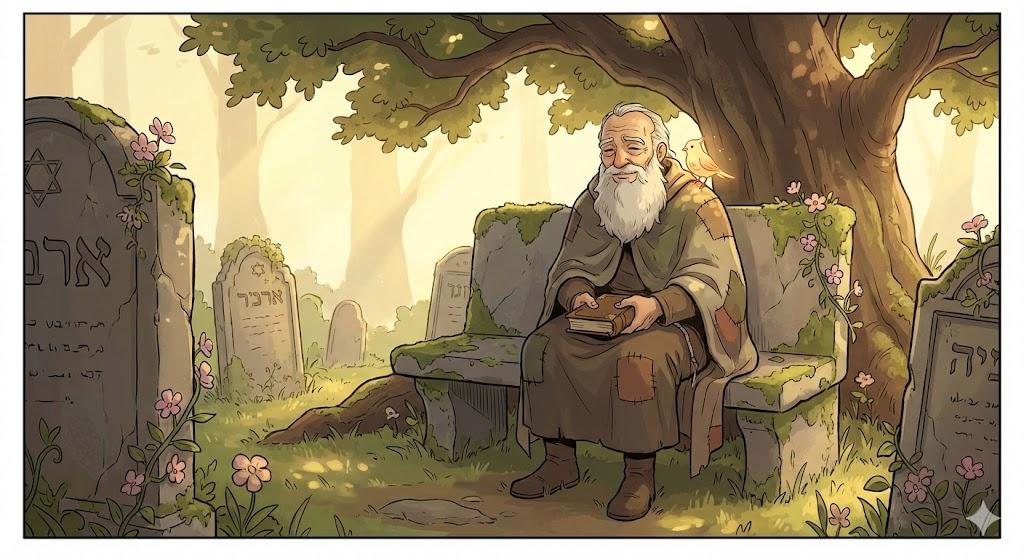
בַּמֵּתִים חָפְשִׁי, במתים חופשי
רַק כַּאֲשֶׁר אָדָם מֵת הוּא חָפְשִׁי מִכָּל הִתְחַיְּבוּת.
("בַּמֵּתִים חָפְשִׁי כְּמוֹ חֲלָלִים שֹׁכְבֵי קֶבֶר אֲשֶׁר לֹא זְכַרְתָּם עוֹד וְהֵמָּה מִיָּדְךָ נִגְזָרוּ"- תְּהִלִּים פח ו, וְכֵן: "דְּאָמַר רַבִּי יוֹחָנָן, מַאי דִּכְתִיב (תְּהִלִּים פח) בַּמֵּתִים חָפְשִׁי- כֵּיוָן שֶׁמֵּת אָדָם נַעֲשֶׂה חָפְשִׁי מִן הַתּוֹרָה וּמִן הַמִּצְוֹת. וּדְקָאָמַר שְׁלֹמֹה וְשַׁבֵּחַ אֲנִי אֶת הַמֵּתִים שֶׁכְּבָר מֵתוּ"-שַׁבָּת ל ע"א, וְכֵן: "עַכְשָׁו אֵינָם יְכוֹלִים לְהוֹצִיא מִלָּה מִפִּיהֶם, לֹא מִפְּנֵי שֶׁהֵם מֵתִים וּבַמֵּתִים חָפְשִׁי"- עַגְנוֹן/ עִיר וּמְלוֹאָהּ, 427)
תרגום
ביטוי (אנגלית)
With the dead I am free / Only with the dead am I free
הגדרה (אנגלית)
Only when a person is dead is he free from all obligations.
("With the dead I am free, like corpses lying in the grave whom you no longer remember, and they are out of your hand" – Psalms 78:6; also: "Rabbi Yochanan said, what is meant by 'with the dead I am free' – when a person dies, he becomes free from the Torah and the commandments. And as Solomon said, 'Blessed are the dead who have already died'" – Shabbat 30a; and: "Now they cannot utter a word, not because they are dead, but with the dead I am free" – S. Y. Agnon / Ir uMeluah, 427)