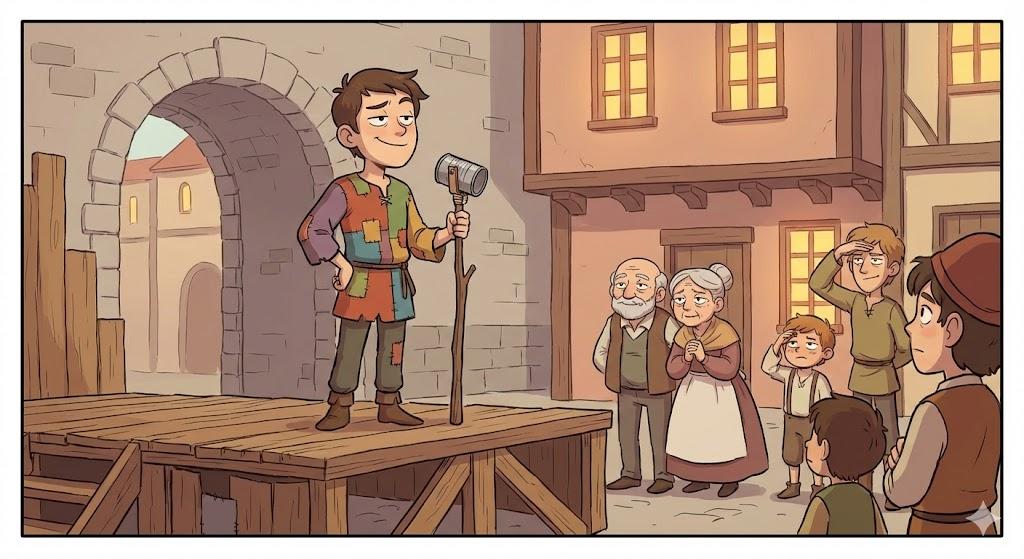
בָּנָה בָּמָה לְעַצְמוֹ
בְּהַשְׁאָלָה: יָסַד לוֹ אִרְגּוּן מִשֶּׁלּוֹ. נִהְיָה עַצְמָאִי וּפָעַל בְּמִסְגֶּרֶת נִפְרֶדֶת מִשֶּׁל עַצְמוֹ.
("מִכָּאן אָמְרוּ בָּאוּ יִשְׂרָאֵל לְגַלְגֵּל הֻתְּרוּ הַבָּמוֹת, בָּאוּ לִירוּשָׁלִַם וּבָנוּ בֵּית הַמִּקְדָּשׁ נֶאֶסְרוּ עֲלֵיהֶם הַבָּמוֹת, וְשׁוּב לֹא הָיָה לָהֶם הֶתֵּר לְעוֹלָם. וּבַמֶּה לֹא הָיְתָה צְרִיכָה לָהֶם, אֶלָּא אָדָם אוֹמֵר מִיִּשְׂרָאֵל בּוֹנֶה בָּמָה לְעַצְמוֹ וּבְתוֹךְ בֵּיתוֹ וּמַקְרִיב עָלֶיהָ לְעַצְמוֹ עוֹלֶתוֹ"- מִדְרַשׁ אַגָּדָה (בּוּבֶּר) דְּבָרִים פֶּרֶק יב, וְכֵן:"וְלֹא יִהְיֶה כָּל אֶחָד בּוֹנֶה בָּמָה לְעַצְמוֹ וּמִתְנַשֵּׂא לֵאמֹר..."-פֶּלֶא יוֹעֵץ/ אוֹת ת'-תְּשׁוּבָה)
תרגום
ביטוי (אנגלית)
To establish a party of one's own
הגדרה (אנגלית)
Figuratively: founded an organization of one’s own. Became independent and acted within a separate framework of one’s own.
("From here they said: When Israel went to Gilgal, the private altars were permitted; when they went to Jerusalem and built the Temple, the altars were prohibited, and again they were never permitted. And an altar was not necessary for them, except that a person from Israel says he builds an altar for himself, within his house, and offers upon it his own burden" – Midrash Aggadah (Buber), Deuteronomy 12; and likewise: "And not everyone should build an altar for himself and exalt himself saying..." – Plea Yoetz, Letter T – Teshuva)