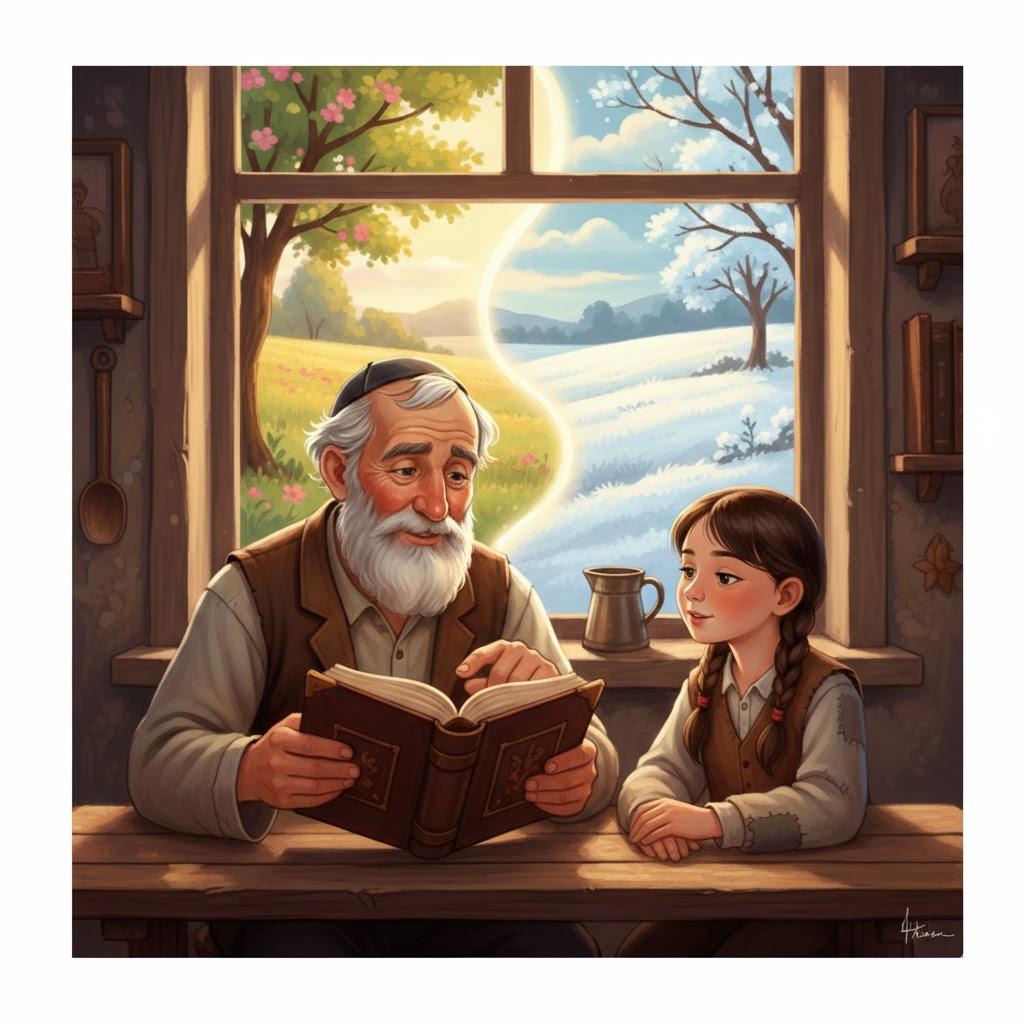
דְּאֶשְׁתָּקַד, מִדְּאֶשְׁתָּקַד
שֶׁל שָׁנָה שֶׁעָבְרָה. מֵאָז שָׁנָה שֶׁעָבְרָה (אֶשְׁתָּקַד מַשְׁמָע שָׁנָה שֶׁעָבְרָה. הַמָּקוֹר בַּבִּטּוּי הָאֲרַמִּי 'שֶׁתָּא קַדְמָאָה', הַשָּׁנָה הַקּוֹדֶמֶת).
("וּמִי קָאָמֵינָא אֲנָא תִּבְטַל? לְיָתִי מִדְּאֶשְׁתָּקַד! בְּעֵינָא כַּרְמֶל וְלֵיכָּא"- מְנָחוֹת פֵּד ע"א, וְכֵן:"וְשׁוּב שְׁאֵלוֹת שָׁלוֹם...שִׂיחוֹת עַל דְּבַר הַשֶּׁלֶג שֶׁל אֶשְׁתָּקַד וְעַל דְּבַר הַיְּרִיד הַקָּרוֹב"- בְּיָאלִיק/ אַרְיֵה בַּעַל גּוּף, ו, לֵב, וְכֵן:"הַגֶּשֶׁם שׁוּב בְּלַחַן יָשָׁן חוֹזֵר לַשָּׂדוֹת,/ שִׁכְחַת קוֹצִים מֵאֶשְׁתָּקַד וּכְבָר סְבִיבָם/ פּוֹרְצִים נַחְשׁוֹלֵי הַפְלוֹרָה הַמְּפַתָּה"-נָתָן יוֹנָתָן/ חֹרֶף חוֹזֵר)
תרגום
ביטוי (אנגלית)
De'eshtakad, Mid'eshtakad of the Past Year
הגדרה (אנגלית)
Of last year; since last year (eshtakad means ‘last year’; the origin of the expression is the Aramaic phrase ‘shata qadma’—‘the previous year’).
(“And who is saying that I should cease? Let it come from last year! I want produce, but there is none.” — Tractate Menachot 84a; and likewise: “And again greetings… conversations about the snow of last year and about the approaching fair” — Hayim Nahman Bialik, Aryeh Ba’al Guf; and likewise: “The rain once more returns to the fields in an old melody, the forgetting of last year’s thorns—and already around them burst the enticing waves of flora” — Natan Yonatan, “Winter Returns.”)