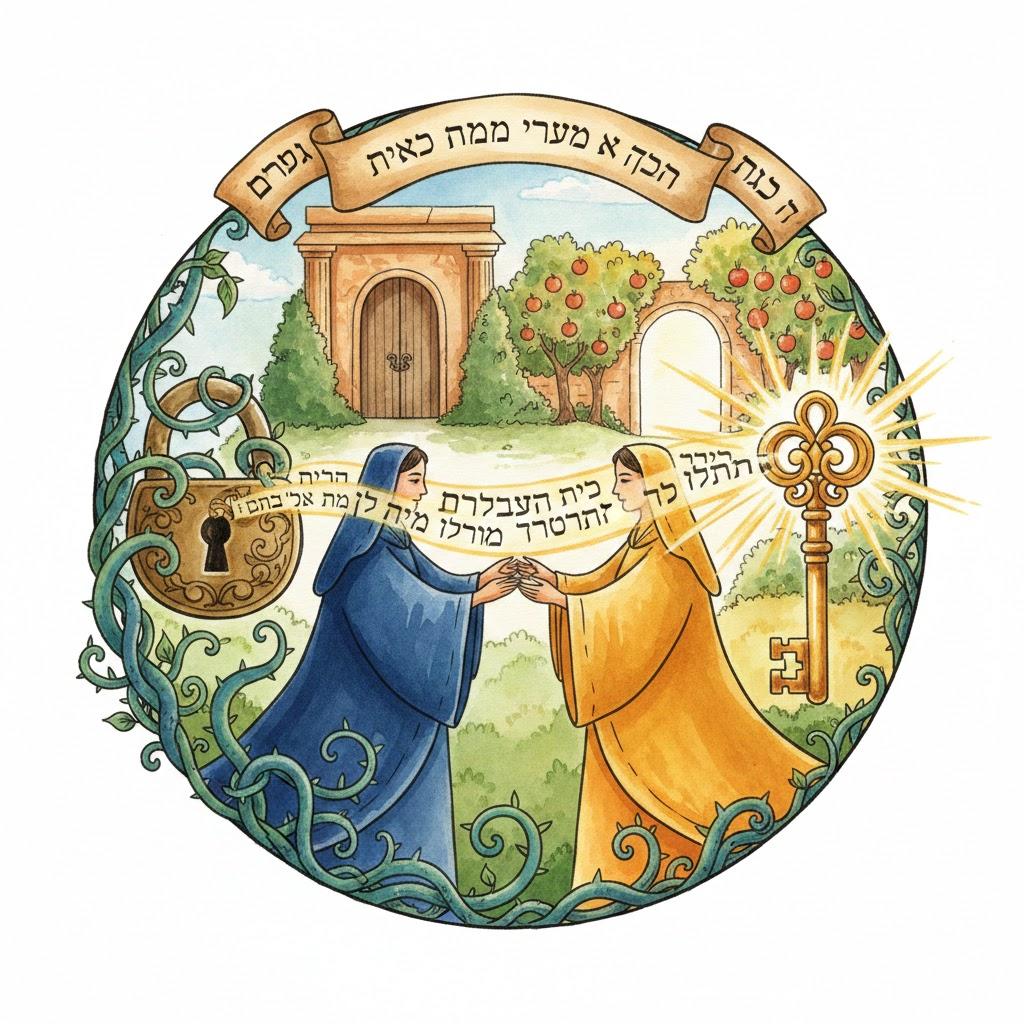
דִּבְרֵי תּוֹרָה צְרִיכִין זֶה לְזֶה-שֶׁמַּה שֶּׁזֶּה נוֹעֵל זֶה פּוֹתֵחַ
דִּבְרֵי תּוֹרָה מַשְׁלִימִים זֶה אֶת זֶה וְנִתָּן לַהֲבִינָם עַל פִּי מִכְלוֹל חֲלָקֶיהָ.
("וַיִּשְׁלַח יִשְׂרָאֵל מַלְאָכִים (בְּמִדְבַּר כא כא)- כָּל דִּבְרֵי תּוֹרָה צְרִיכִין זֶה לָזֶה שֶׁמָּה שֶׁזֶּה נוֹעֵל זֶה פּוֹתֵחַ. כָּאן נֶאֱמַר וַיִּשְׁלַח יִשְׂרָאֵל מַלְאָכִים, וּבְמָקוֹם אַחֵר תָּלָה הַשְּׁלִיחוּת בְּמֹשֶׁה, שֶׁנֶּאֱמַר (דְּבָרִים ב) 'וָאֶשְׁלַח מַלְאָכִים מִמִּדְבַּר קְדֵמוֹת', לְלַמֶּדְךָ שֶׁרֹאשׁ הַדּוֹר הֲרֵי הוּא כְּכָל הַדּוֹר"- מִדְרַשׁ תַּנְחוּמָא (בּוּבֶּר) פָּרָשַׁת חֻקַּת סִימָן נֹב)
תרגום
ביטוי (אנגלית)
Torah Words Need Each Other - What One Closes, the Other Opens
הגדרה (אנגלית)
The words of the Torah complete one another, and it is possible to understand them according to the principle of their parts.
("And Israel sent messengers (Numbers 21:21) - All words of the Torah need each other, for what one closes, the other opens. Here it says 'And Israel sent messengers,' and elsewhere the sending is attributed to Moses, as it says (Deuteronomy 2) 'And I sent messengers from the wilderness of Kedemoth,' to teach you that the head of the generation is like the entire generation." - Midrash Tanchuma (Buber), Parashat Chukat, section 58)