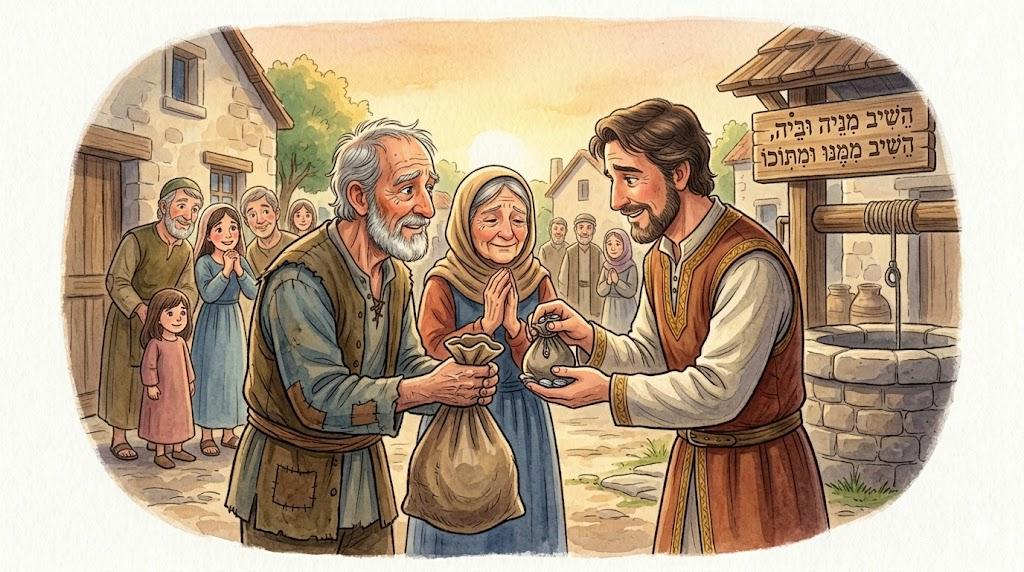
הֵשִׁיב מִנֵּיהּ וּבֵיהּ, הֵשִׁיב מִמֶּנּוּ וּמִתּוֹכוֹ
הֵשִׁיב תְּשׁוּבָה מִתּוֹךְ הַטְּעָנוֹת שֶׁנִּטְעֲנוּ נֶגְדּוֹ. בְּהַשְׁאָלָה: הֵשִׁיב לוֹ כַּהֹגֶן. הֵשִׁיב בּוֹ בַּמָּקוֹם בְּטַעֲנָה מוֹחֶצֶת (בַּאֲרָמִית מִנֵּיהּ מַשְׁמָע מִמֶּנּוּ. בְּיָהּ מַשְׁמָע בְּתוֹכוֹ, כְּלוֹמַר: הֵשִׁיב מִתּוֹכוֹ וּמֵעַצְמוֹ. מְקוֹר הַבִּטּוּי בַּפִּתְגָּם הָאוֹמֵר "יָדִית הַגַּרְזֶן הַכּוֹרֶתֶת אֶת הַיַּעַר בָּאָה מִתּוֹכוֹ שֶׁל הַיַּעַר עַצְמוֹ")
("מִנֵּיהּ וּבֵהּ לִיזוֹל בְּיָהּ נַרְגָּא"- סַנְהֶדְרִין לט ע"ב, וְכֵן:"וְכֵן בֵּאֵר אֶת הַפָּסוּק: וַאֲכַלְתֶּם יָשָׁן נוֹשָׁן, וְיָשָׁן מִפְּנֵי חָדָשׁ תּוֹצִיאוּ- בְּאֹפֶן זֶה: וַאֲכַלְתֶּם יָשָׁן נוֹשָׁן- אִם בְּרָכָה הִיא זוֹ, כֵּיצַד אוֹמֵר מִנֵּיהּ וּבֵהּ: וְיָשָׁן מִפְּנֵי חָדָשׁ תּוֹצִיאוּ? אֶלָּא, יָשָׁן נוֹשָׁן- זוֹ הַתּוֹרָה...חָדָשׁ, זֶה גְּאֻלָּה, כַּכָּתוּב: חַדֵּשׁ יָמֵינוּ כְּקֶדֶם"- י.בּוּרְלָא/ כִּסּוּפִים, 247, וְכֵן:"לְדָבָר זֶה יֵשׁ תְּשׁוּבָה מִמֶּנָּה וּמִתּוֹכָהּ"-עַגְנוֹן/ תְּמוֹל שִׁלְשׁוֹם, 135, וְכֵן:"תִּרְצֶה לוֹ מִנֵּיהּ וּבֵהּ וּמָשַׁךְ וְהָלַךְ לְטַעְמוֹ וּפִלְפֵּל וְנָשָׂא וְנָתַן וְדָן גְּזֵרָה שָׁוָה וְהִקִּישׁ וְדִקְדֵּק, וְתָלָה עַל כָּל קוֹץ תִּלֵּי תִּלִּים שֶׁל הֲלָכוֹת וְחִדּוּשִׁים עֲמֻקִּים"- ח.הָזָז/ דּוֹרוֹת הָרִאשׁוֹנִים, 16, וְכֵן:"נִבְהַל עֶזְרָא רֶגַע, הִשְׁפִּיל עֵינָיו לָאָרֶץ וְהֵשִׁיב לוֹ מִנֵּיהּ וּבֵהּ, זֶה תִּקּוּן כָּרֵת שֶׁלִּי. וְשָׁתַק"- חַיִּים סָבָתוֹ/ כְּעַפְעַפֵּי שַׁחַר, 42)
תרגום
ביטוי (אנגלית)
He answered from it and within it, answered from him and from inside him/ on the spot/ extempore/ from itself/ impromptu
הגדרה (אנגלית)
He replied with a rebuttal from among the accusations that were leveled against him. In the question: He replied to him as a king. He returned to his place with a strong charge (in Aramaic, מנהיה means from within. It comes from within, as if to say: He returned from within and within himself. The origin of the expression is in the verse that says, "The axe handle that cuts down the forest comes from within the forest itself")
("From her and from her, she will be killed" - Sanhedrin 33b, and so: "And now, understand the verse: And you shall eat old, and old shall be brought forth from the new moon - in this way: And you shall eat old, and old - is this a blessing, as the Omer says from her and from her: And old shall be brought forth from the new moon? But, old, and old - this is the Torah...new moon, this is redemption, As it is written: "New is our day as before" - Y. Burla/ Money, 247, and so: "For this matter there is a return from its source and from its midst" - Agnon/ Tamol Shilshom, 135, and so: "You will run to him from its source and And deep news" - H. Hazaz/ Dorot Harashonim, 16, and also: "Ezra was afraid and faint, he lowered his eyes to the ground and said to himself, "This is the restoration of my city. And he was silent" - Hayyim Sabato/ Ka'afafei Shahar, 42)