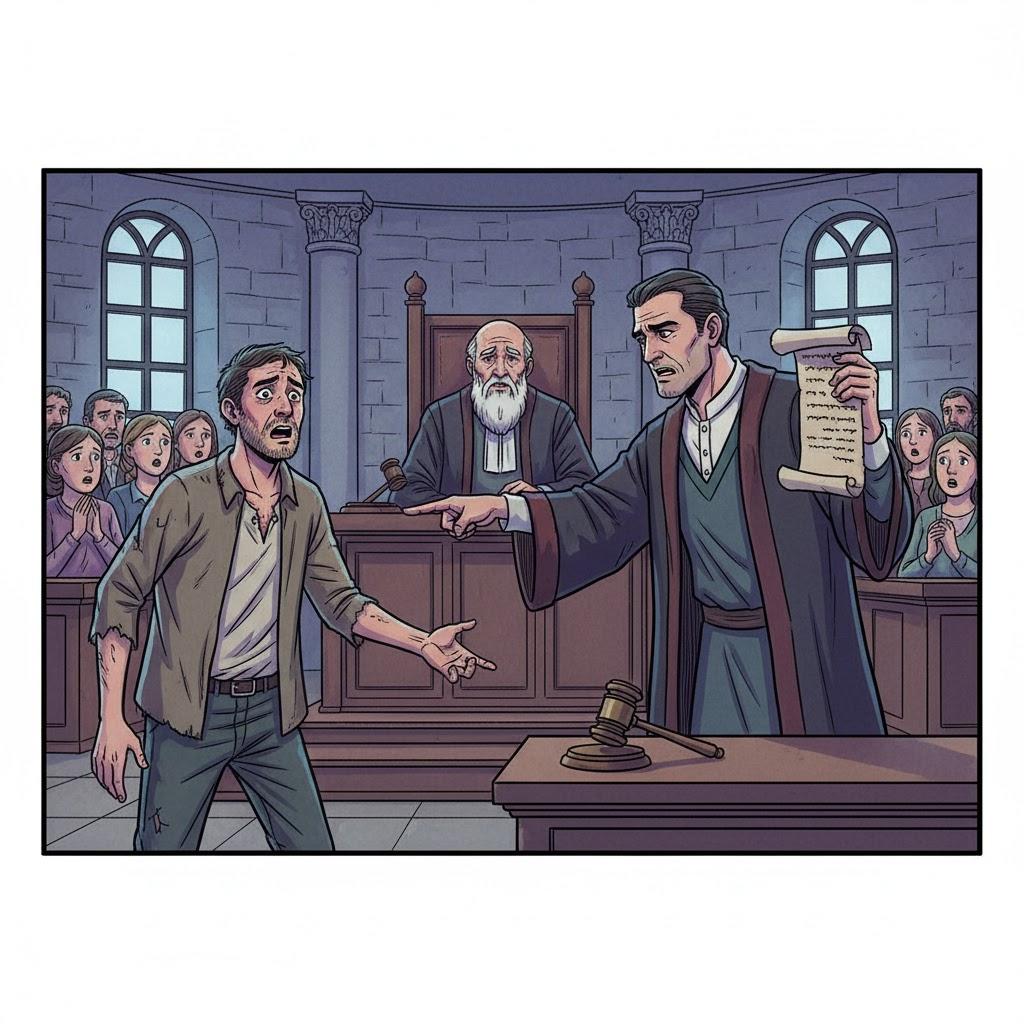
אוֹי לְזֶה שֶׁנַּעֲשָׂה סָנֵגוֹרוֹ קָטֵגוֹרוֹ
אוֹי לְמִי שֶׁהַסָּנֵגוֹר שֶׁאָמוּר לְהָגֵן עָלָיו בַּמִּשְׁפָּט מְדַבֵּר דְּבָרִים כְּנֶגְדּוֹ, וּכְבָר אֵין מִי שֶׁיָּגֵן עָלָיו בַּמִּשְׁפָּט.
("כָּל הָעָם צְוָחִין וְאוֹמְרִין: אוֹי לוֹ לָזֶה שֶׁנַּעֲשָׂה סָנֶגוֹרוֹ קָטֵגוֹרוֹ. כָּךְ אָדָם לוֹקֵחַ לוּלָב לִזְכּוֹת בּוֹ, וְאִם הָיָה גָּזוּל צוֹוֵחַ(הַלּוּלָב) לִפְנֵי הקב"ה וְאוֹמֵר: גָּזוּל אֲנִי, חָמוֹס אֲנִי, וּמַלְאֲכֵי הַשָּׁרֵת אוֹמְרִים: אוֹי לָזֶה שֶׁנַּעֲשָׂה סָנֶגוֹרוֹ קָטֵגוֹרוֹ" - וַיִּקְרָא רַבָּה (וִילְנָא) פָּרָשַׁת אֱמֹר פָּרָשָׁה ל)
תרגום
ביטוי (אנגלית)
Woe to the man whose advocate becomes his accuser!
הגדרה (אנגלית)
Woe to the person whose advocate, meant to defend them in court, speaks against them, leaving no one to defend them.
("All the people cry out and say: Woe to the one whose advocate becomes his accuser. Just as a person takes a lulav for merit, and if it was stolen, it cries out before the Holy One, Blessed be He, saying: I am stolen, I am taken, and the ministering angels say: Woe to the one whose advocate becomes his accuser." – Vayikra Rabbah (Vilna) Parashat Emor, 30)