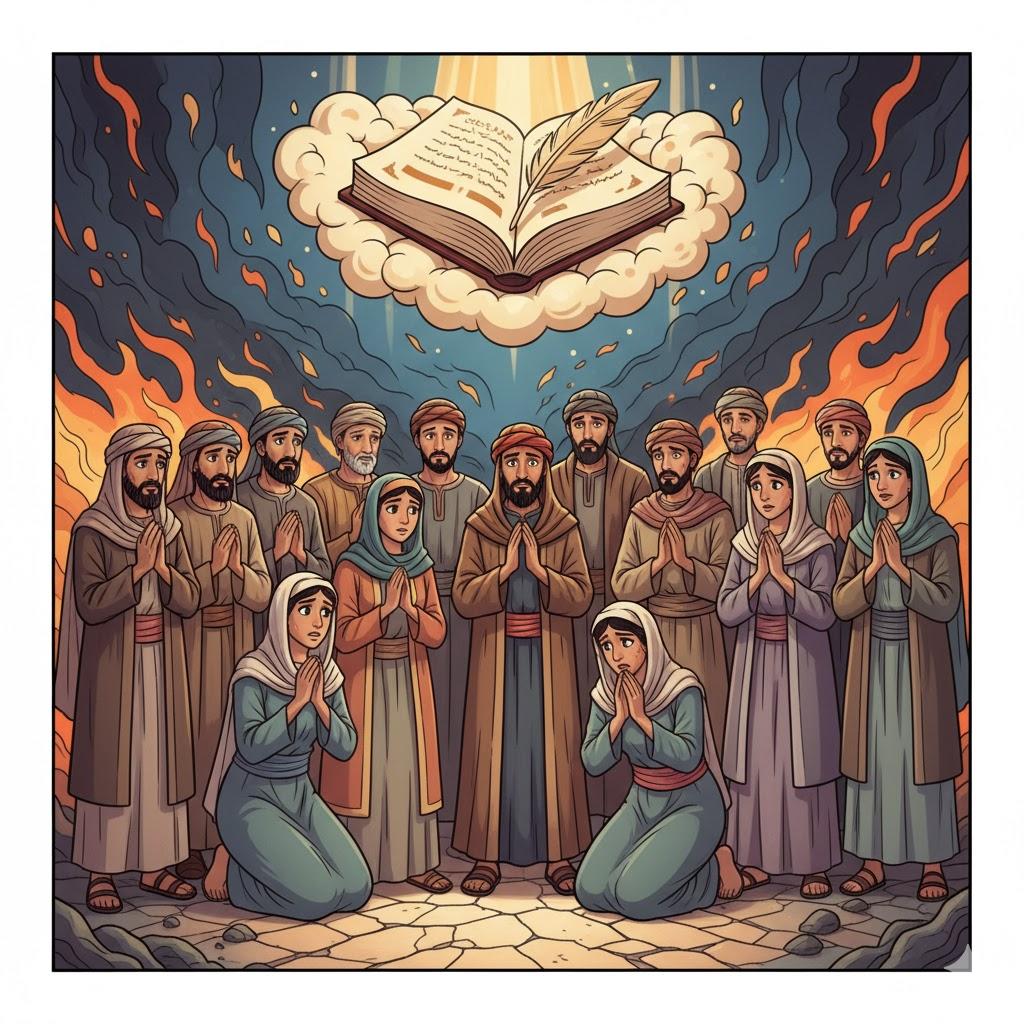
אוֹי לוֹ מִיּוֹם הַדִּין (אוֹיָה לָנוּ מִיּוֹם הַדִּין)
אוֹי לוֹ מֵהַיּוֹם בּוֹ הוּא יִצְטָרֵךְ לָתֵת אֶת הַדִּין עַל מַעֲשָׂיו. קְרִיאַת פַּחַד מִפְּנֵי אֵימַת הַדִּין אוֹ הָעֹנֶשׁ הַצָּפוּי.
("אַבָּא כֹּהֵן בַּרְדְּלָא אָמַר, אוֹי לָנוּ מִיּוֹם הַדִּין אוֹי לָנוּ מִיּוֹם הַתּוֹכֵחָה" - בְּרֵאשִׁית רַבָּה (וִילְנָא) פָּרָשַׁת וַיִּגַּשׁ פָּרָשָׁה צָג, וְכֵן: "אוֹי לִי מִיּוֹם הַדִּין, אוֹי לִי מִיּוֹם הַשִּׁלּוּם, מָה אֶעֱנֶה כְּשֶׁיְּבִיאוּנִי בַּמִּשְׁפָּט" - עַגְנוֹן/ עַל כַּפּוֹת הַמַּנְעוּל, סִפּוּר פָּשׁוּט, 56)
תרגום
ביטוי (אנגלית)
Woe from the Day of Judgment (Woe to us from the Day of Judgment)
הגדרה (אנגלית)
Woe to the day when one must account for their deeds. A cry of fear in anticipation of the severity of judgment or the punishment to come.
("Abba Cohen Berdale said, 'Woe to us from the Day of Judgment, woe to us from the day of rebuke.'" – Bereshit Rabbah (Vilna) Parashat Vayeshev, 73; and also: "Woe to me from the Day of Judgment, woe to me from the day of reparation, what will I answer when I am brought to trial?" – Agnon / On the Lock’s Handles, Simple Story, 56)