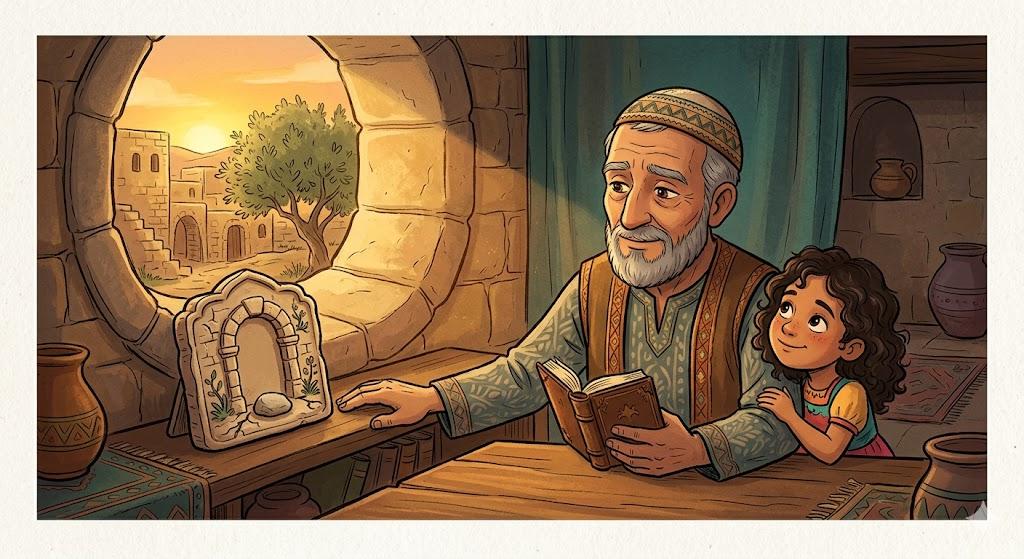
זֵכֶר לַחֻורְבָּן
לְזֵכֶר חֻורְבַּן בֵּית הַמִּקְדָּשׁ. כְּסִימָן אוֹ כְּאוֹת אֵבֶל עַל חֻרְבַּן בֵּית הַמִּקְדָּשׁ.
("וְזֶהוּ שֶׁאָמְרוּ אִם לֹא אַעֲלֶה אֶת יְרוּשָׁלִַם עַל רֹאשׁ שִׂמְחָתִי זֶה אֵפֶר מַקְלֶה שֶׁבְּרָאשֵׁי חֲתָנִים וּמִמָּה שֶׁנֶּאֱמַר פְּאֵר תַּחַת אֵפֶר וְיֵשׁ מְקוֹמוֹת שֶׁלֹּא נָהֲגוּ בְּאֵפֶר אֶלָּא שֶׁמְּשִׂימִים מַפָּה שְׁחֹרָה עַל רֹאשָׁם זֵכֶר לַחֻרְבָּן וְכֵן מִנְהָג בִּשְׁבִירַת הַכּוֹס זֵכֶר לַחֻרְבָּן"- בֵּית הַבְּחִירָה לִמְאִירִי מַסֶּכֶת תַּעֲנִית ל ע"ב)
תרגום
ביטוי (אנגלית)
Remembrance of the Destruction
הגדרה (אנגלית)
To commemorate the altar of the Temple. As a sign or sign of mourning on the altar of the Temple.
("And these are they who said, If I do not exalt Jerusalem above the head of my joy, these are ashes of a staff on the heads of bridegrooms, and from what it is said, "Fire under ashes." And there are places where they do not conduct themselves with ashes, except that they put a black cloth on their heads, a memorial to the desolation, and so is the manner of conducting oneself in breaking a cup, a memorial to the desolation." - Beit HaBahira, Meiri, Masekhet Ta'anit, 30b)