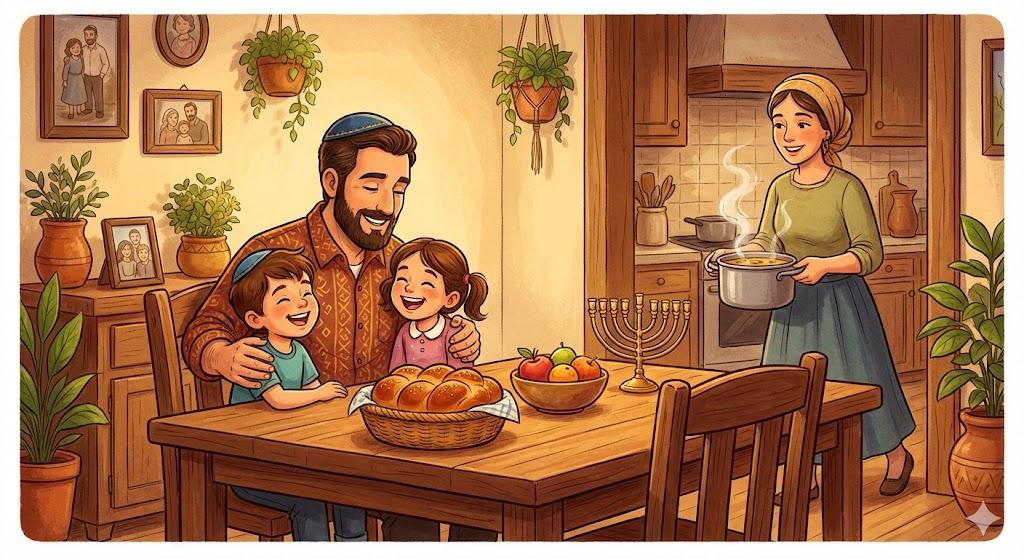
בְּנֵי חַיַּי וּמְזוֹנִי
אִם לְאָדָם יֵשׁ יְלָדִים וְאִם לָאו, אִם הוּא עָשִׁיר אוֹ עָנִי, אִם יֵשׁ לוֹ חַיִּים אֲרֻכִּים אוֹ לֹא, אֵין זֶה תָּלוּי דַּוְקָא בִּזְכוּיוֹתָיו אֶלָּא בְּגוֹרְמִים אֱלֹהִיִּים עֶלְיוֹנִים יוֹתֵר. בְּהַשְׁאָלָה: בְּרָכָה לִילָדִים (הוֹרוּת) חַיִּים בְּרִיאִים וּפַרְנָסָה.
("בַּהֵיכָל הַזֶּה תְּלוּיִים לְרָעָה כָּל הַדְּבָרִים חוּץ מִבְּנֵי חַיַּי וּמְזוֹנִי שֶׁהֵם תְּלוּיִם לְמַעְלָה בִּשְׁאַר הַהֵיכָלוֹת וְיוֹרְדִים לַהֵיכָל זֶה"- אוֹצַר הַמִּדְרָשִׁים (אַיְזֶנְשְׁטֵיְן) הֵיכָלוֹת, 125, וְכֵן:"אָמְרוּ חֲכָמִים, בְּנֵי חַיַּי וּמְזוֹנִי לָאו בִּזְכוּתָא תַּלְיָא מִלְּתָא אֶלָּא בְּמַזָּלָא. וּבַעֲבוּר זֶה הַמַּשְׂכִּיל לֹא יִתְאָוֶהָ וְלֹא יַחְמֹד"- אִבְּן עֶזְרָא שְׁמוֹת פֶּרֶק כ)
תרגום
ביטוי (אנגלית)
My children and my sustenance
הגדרה (אנגלית)
Whether a person has children or not, whether he is rich or poor, whether he has a long life or not, this does not depend solely on his merits but on higher divine factors. Figuratively: a blessing for children (offspring), healthy life, and livelihood.
("In this sanctuary, all matters are subject to evil except for ‘my children and my sustenance,’ which are subject above in the other sanctuaries and descend to this sanctuary" – Otzar HaMidrashim (Eisenstein) Heichalot, 125; also: "The sages said, ‘My children and my sustenance’ do not depend on merit but on fate. Therefore, the wise should not desire or covet them" – Ibn Ezra, Exodus 20)