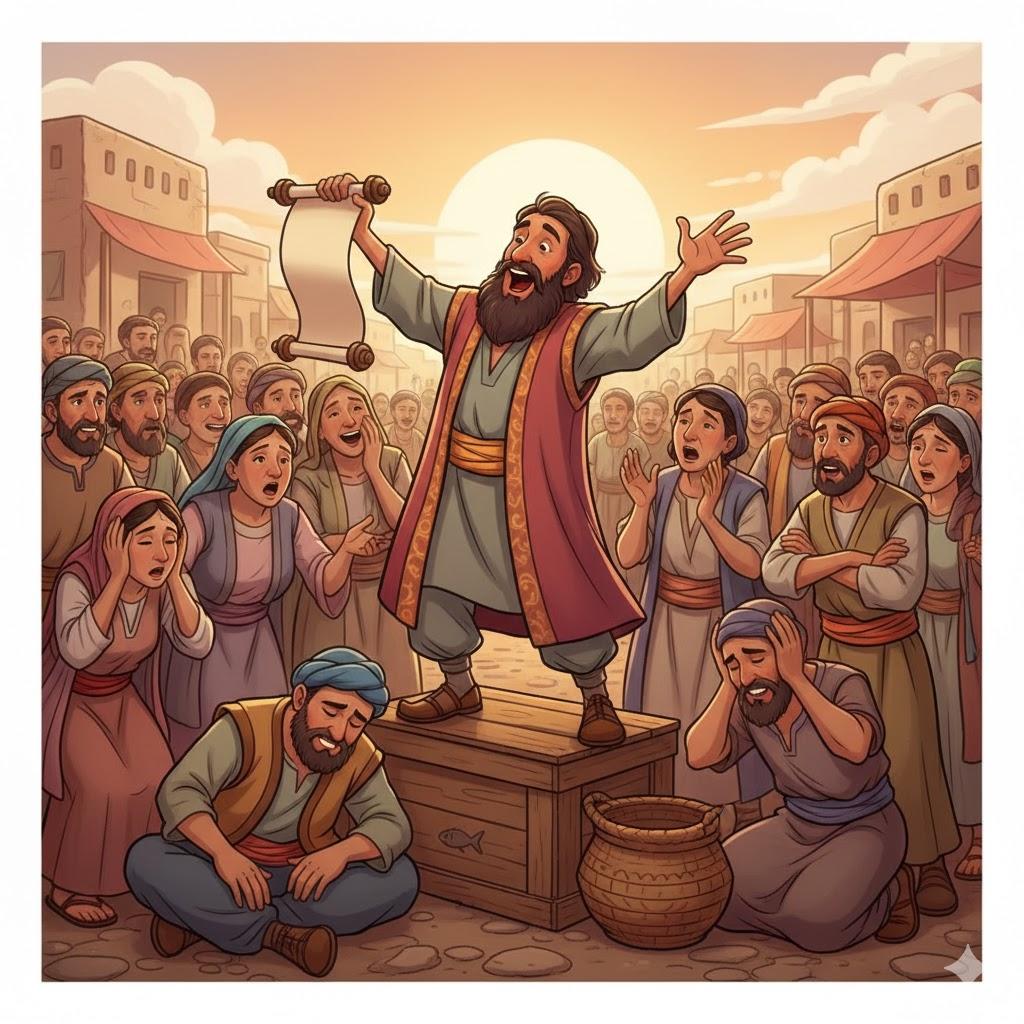
דִּבְרֵי הֲבַאי
דִּבְרֵי הֶבֶל חַסְרֵי כָּל מַמָּשׁ. דִּבְרֵי שְׁטוּת. אוֹ: דִּבְרֵי גֻּזְמָה. דְּבָרִים הַמְּתָאֲרִים דָּבָר בְּצוּרָה מֻפְרֶזֶת.
("וְהַמַּסְבִּיר פָּנִים לָרָשָׁע- הֲרֵי זֶה מִמַּרְגִּיזֵי אֶל, וְהַמְּרַמֶּה בִּדְרָכָיו- מִתְאַבֵּל בְּסוֹפוֹ, וְהַמַּטֶּה אֶת חֲבֵרוֹ מִדֶּרֶךְ טוֹבָה לְדֶרֶךְ רָעָה- מֵת בַּחֲצִי יָמָיו, וְהַמַּלְעִיג עַל הַמִּצְווֹת- אֵין מְרַחֲמִין עָלָיו מִן הַשָּׁמַיִם, וְהַמַּלְעִיג עַל עֲנִיּוּתָן שֶׁל עֲנִיִּים- סוֹף סוֹף הוּא יִגַּע וַאֲחֵרִים אוֹכְלִים יַגִּיעוּ, וְכָל הַמַּרְגִּיל לְהַאְדִּים (לְהַלְבִּין) פְּנֵי חֲבֵרוֹ- פִּנְקָסוֹ פָּתוּחַ בּוֹ בַּיּוֹם, וְאֵין לְךָ קָשֶׁה אֶלָּא מִי שֶׁעוֹסֵק בְּדִבְרֵי הֲבַאי ..., אוֹי לְמִי שֶׁנַּעֲשָׂה סָנֵגָרוֹ קְטִיגָרוֹ, אוֹי לְמִי שֶׁיָּצְרוּ מְנַצְּחוֹ, אוֹי לְמִי שֶׁנֶּהְפַּךְ עָלָיו הַגַּלְגַּל, אוֹי לְמִי שֶׁמְּאַבֵּד אֶת עֲמָלוֹ"-אוֹצֵר הַמִּדְרָשִׁים (אַיְזֶנְשְׁטֵיְן) מַרְגָּנִיתָא דְּבֵי רַב,356, וְכֵן:"וְלֹא יָקֵל רֹאשׁוֹ בְּיוֹתֵר, וְלֹא יְנַבֵּל פִּיו בְּדִבְרֵי הֲבַאי, וַאֲפִלּוּ בֵּינוֹ לְבֵינָהּ"- הָרַמְבָּ"ם/ סֵפֶר הַמַּדָּע, הִלְכוֹת דֵּעוֹת, פֶּרֶק חֲמִישִׁי, ד, 105, וְכֵן:"וְאוֹמֵר בְּדִבְרֵי חִדּוּדִין כְּאִלּוּ אַתָּה שׁוֹטֶה וּמְשַׁטֶּה בָּהֶם בְּדִבְרֵי הֲבַאי- עוֹרְבָא פָּרַח"- מֶנְדֵּלֵי מו"ס/ מַסְּעוֹת בִּנְיָמִין הַשְּׁלִישִׁי, א,ט, וְכֵן:"כָּל אִישׁ רֵיק וְכָל הוֹלֵךְ בָּטֵל בָּעִיר, כָּל אֶחָד בָּא וּפִזְמוֹנוֹ בְּפִיו, זֶה בִּרְכִילוּת, זֶה בַּלָּשׁוֹן הָרַע, וְזֶה בְּדִבְרֵי הֲבַאי סְתָם"- שָׁלוֹם עֲלֵיכֶם/ עֵצָה, קָא, וְכֵן:"לֶדֶר אַחְזָנִי בִּקְצֵה סַנְטֵרִי וְאָמַר שֶׁנּוֹעַדְנוּ כָּאן יַחְדָּיו לֹא כְּדֵי לַעֲסֹק בְּדִבְרֵי הֲבַאי"- חַיִּים בְּאֵר/ נוֹצוֹת, 179)
תרגום
ביטוי (אנגלית)
Nonsense talk/ vain talk
הגדרה (אנגלית)
Words of vanity lacking any substance. Words of folly. Or: words of exaggeration. Matters describing something in a fragmented manner.
("And he who explains a face to the wicked—lo, this is one of those who stir God to anger; and he who deceives in his ways—he will mourn at his end; and he who leads his friend from a good way to an evil way—he dies in the midst of his days; and he who mocks the commandments—no mercy is shown to him from heaven; and he who mocks the poverty of the poor—ultimately he will become weary, and others will consume his toil; and anyone accustomed to redden (whiten) his friend's face—his ledger is open on that day. And you have no difficulty except with one who engages in דִּבְרֵי הֲבַאי... Woe to him who became his accuser and prosecutor, woe to him whom his inclination overcame, woe to him on whom the wheel turned, woe to him who loses his labor"—Otzar HaMidrashim (Eisenstein) Marganita D’Bei Rav, 356. Also: "He shall not lighten his head too much, nor shall he profane his mouth with דִּבְרֵי הֲבַאי, even between him and her"—Rambam, Sefer HaMada, Hilchot De'ot, Chapter 5, 4:105. Also: "And he says with sharp words as if you are a fool and misleading them with דִּבְרֵי הֲבַאי—an unripe crow"—Mendele Mois, Mas'ot Binyamin HaShlishi, 1:9. Also: "Every empty man and every idle wanderer in the city, each one comes and his song is in his mouth, this one with gossip, that one with slander, and this one with mere דִּבְרֵי הֲבַאי"—Shalom Aleichem, Etzah, 101. Also: "Leder Achzani at the end of Santeri said that we were gathered here together not to engage in דִּבְרֵי הֲבַאי"—Chaim Beer, Notsot, 179.)