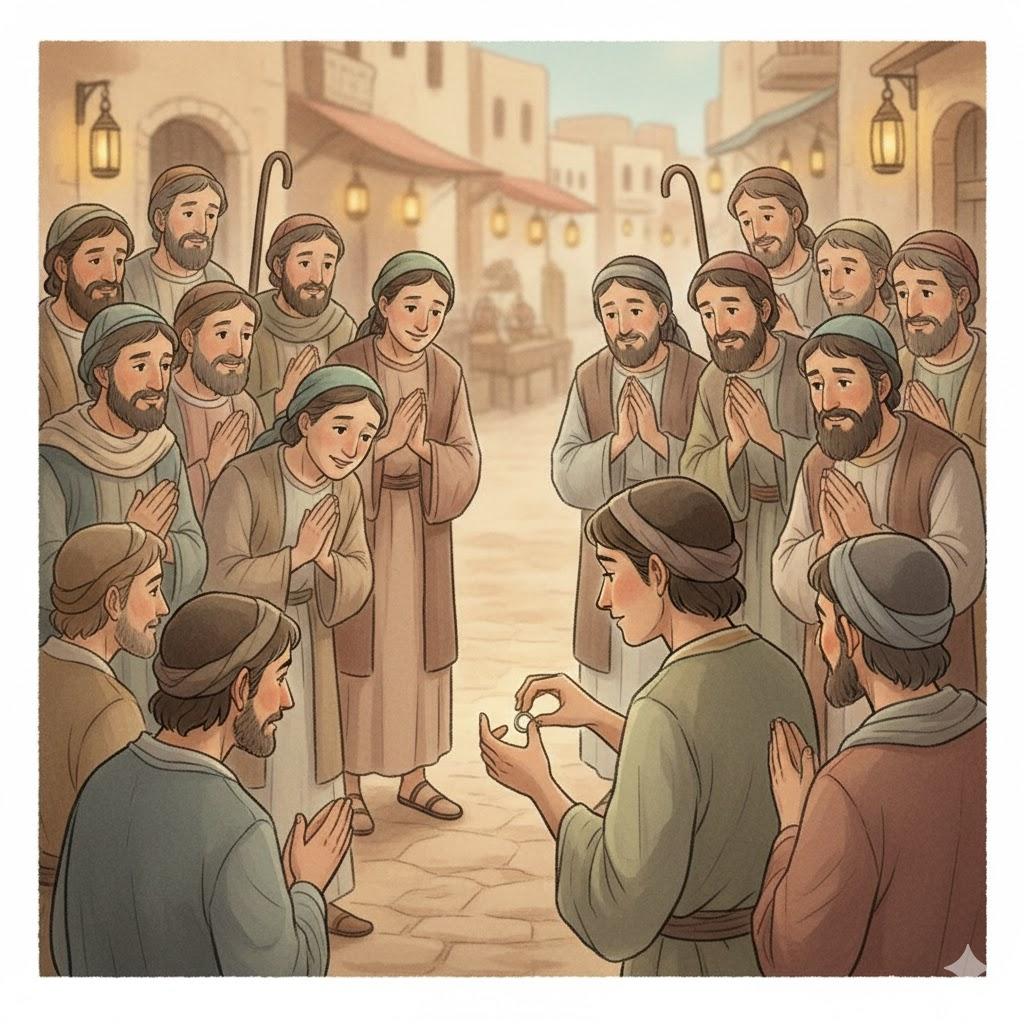
גְּדוֹלָה הֲסָרַת טַבַּעַת יוֹתֵר מֵאַרְבָּעִים וּשְׁמוֹנָה נְבִיאִים
בְּהַשְׁאָלָה: לְסַכָּנַת חַיִּים אוֹ פַּחַד מֵעֹנֶשׁ יֵשׁ תּוֹעֶלֶת גְּדוֹלָה יוֹתֵר מֵאֲשֶׁר הַטָּפוֹת מוּסָר שֶׁל הַנְּבִיאִים. הַפַּחַד גּוֹרֵם לַאֲנָשִׁים לַעֲשׂוֹת תְּשׁוּבָה יוֹתֵר מִכָּל הַטָּפוֹת הַנְּבִיאִים (בַּמָּקוֹר: הֲסָרַת טַבַּעַת מַשְׁמָע הַחְלָטַת אֲחַשְׁוֵרוֹשׁ לְהַשְׁמִיד אֶת הַיְּהוּדִים, הַחְלָטָה שֶׁהִתְבַּטְּאָה בַּהֲסָרַת טַבַּעְתּוֹ וּמְסִירָתָהּ לֶהְמָן שֶׁיִּכְתֹּב כִּרְצוֹנוֹ גְּזֵרָה נֶגֶד הַיְּהוּדִים. כְּתוֹצָאָה מִכָּךְ חָזְרוּ הַיְּהוּדִים בִּתְשׁוּבָה וְהִתְפַּלְּלוּ לָה' שֶׁיַּצִּיל אוֹתָם).
("וַיָּסַר הַמֶּלֶךְ אֶת טַבַּעְתּוֹ אָמַר רַבִּי אַבָּא בַּר כָּהֲנָא: גְּדוֹלָה הֲסָרַת טַבַּעַת יוֹתֵר מֵאַרְבָּעִים וּשְׁמֹנֶה נְבִיאִים וְשֶׁבַע נְבִיאוֹת שֶׁנִּתְנַבְּאוּ לָהֶן לְיִשְׂרָאֵל, שֶׁכֻּלָּן לֹא הֶחֱזִירוּם לְמוּטָב, וְאִלּוּ הֲסָרַת הַטַּבַּעַת הֶחֱזִירָתַן לְמוּטָב"- מְגִלָּה יָד ע"א, וְכֵן:"אָמְנָם גְּדוֹלָה הָיְתָה גַּם הֲסָרַת הָעֲטָרָה מֵעַל טַלִּיתוֹ שֶׁל אַבָּא,שֶׁאַף זוֹ הֶעֱסִיקָה בִּשְׁעָתָהּ אֶת לִבִּי"- שָׁלוֹם עֲלֵיכֶם/ הַס, יוֹם טוֹב הוּא מִלִּבְכּוֹת, יָא)
תרגום
ביטוי (אנגלית)
Greater is the removal of a seal than that of forty-eight prophets
הגדרה (אנגלית)
Figuratively: danger to life or fear of punishment is more effective than the moral rebukes of the prophets; fear moves people to repent more than all prophetic exhortations. (Originally: “the removal of the ring” refers to Ahasuerus’ decision to destroy the Jews, expressed by removing his signet ring and giving it to Haman so he could issue a decree against them. As a result, the Jews repented and prayed to God to save them.)
(“And the king removed his ring. Rabbi Abba bar Kahana said: Greater was the removal of the ring than the [words of] forty-eight prophets and seven prophetesses who prophesied to Israel, for all of them did not bring Israel back to the right path, whereas the removal of the ring brought them back to the right path.” (Megillah 14a) “Indeed, great too was the removal of the ornament from my father’s tallit, for that as well occupied my heart at the time.” (Shalom Aleichem, It Is a Holiday Not to Weep, p. 11))