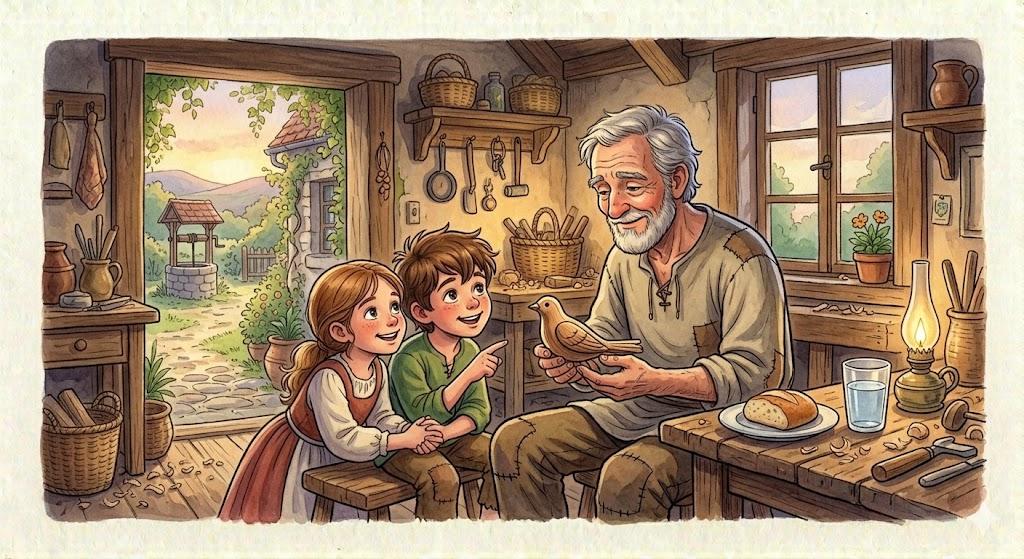
Be content with one's portion
She was content with what she had. She did not want more than her "portion" in life. In the question: She did not strive to strive for more.
("However, 'wise' is the sum of all intellectual achievements without any shortage. And 'rich' is one of the achievements of the measures, I would like to say: contentment, according to which they call the contented one 'rich', and it is said about the rich man: "Is this he who is rich? The one who rejoices in his portion," as if to say that he is content with what time has provided for him, and does not complain about "What did he not find for him?" - Eighteen Chapters of the Rambam, Chapter 7)
Translation
Expression (Hebrew)
הִסְתַּפֵּק בְּחֶלְקוֹ
Definition (Hebrew)
הָיָה מְרֻצֶּה מִמָּה שֶׁיֵּשׁ לוֹ. לֹא רָצָה יוֹתֵר מִ'מְנַת חֶלְקוֹ' בַּחַיִּים. בְּהַשְׁאָלָה: לֹא שָׁאַף לְהִתְאַמֵּץ לְיוֹתֵר.
("אָמְנָם 'חָכָם' הוּא כּוֹלֵל הַמַּעֲלוֹת הַשִּׂכְלִיּוּת בְּלֹא סָפֵק. וְ'עָשִׁיר' הִיא מִמַּעֲלוֹת הַמִּדּוֹת, רְצוֹנִי לוֹמַר: הַהִסְתַּפְּקוּת, לְפִי שֶׁהֵם יִקְרְאוּ הַמִּסְתַּפֵּק בְּחֶלְקוֹ 'עָשִׁיר', וְהוּא אוֹמְרָם בְּגֶדֶר הֶעָשִׁיר:"אֵי זֶה הוּא עָשִׁיר? הַשָּׂמֵחַ בְּחֶלְקוֹ", כְּלוֹמַר שֶׁהוּא מִסְתַּפֵּק בְּמָה שֶׁהִמְצִיא לוֹ הַזְּמַן, וְאֵינוֹ מִצְטַעֵר עַל מָה שֶׁלֹּא הִמְצִיא לוֹ"- שְׁמוֹנָה פְּרָקִים לָרַמְבָּ"ם פֶּרֶק ז)