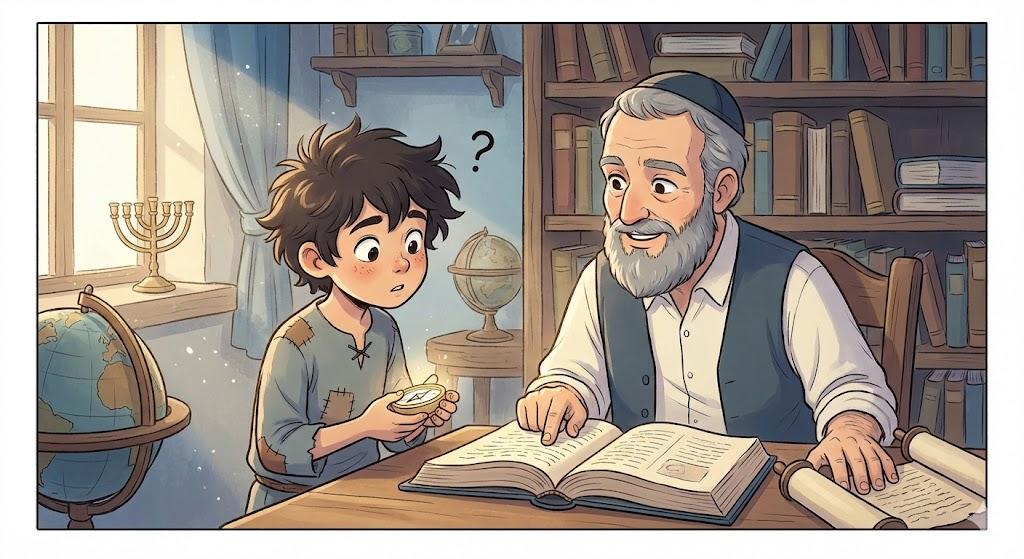
בֶּן תִּשְׁחֹרֶת
נַעַר אוֹ בָּחוּר (יִתָּכֵן וְתִשְׁחֹרֶת נִגְזָר מֵהַמִּלָּה 'שַׁחַר' בְּמַשְׁמָעוּת שַׁחַר הַיָּמִים, אוֹ 'שָׁחֹר'-בְּטֶרֶם הַשֵּׂעָר מַלְבִּין).
("מַעֲשֶׂה בְּאִשָּׁה אַחַת שֶׁהָיְתָה בִּשְׁכֵנוּתוֹ שֶׁל רַבָּן גַּמְלִיאֵל וְהָיָה לָהּ בֶּן תִּשְׁחֹרֶת וּמֵת וְהָיְתָה בּוֹכָה בַּלֵּילוֹת, וְהָיָה רַבָּן גַּמְלִיאֵל שׁוֹמֵעַ קוֹלָהּ וְנִזְכָּר חֻרְבַּן הַבַּיִת, וְהָיָה בֹּכָה עַד שֶׁנָּשְׁרוּ רִיסֵי עֵינָיו"- אֵיכָה רַבָּה (בּוּבֶּר) פָּרָשָׁה א, וְכֵן:"רַבִּי יִשְׁמָעֵאל אוֹמֵר הֱוֵי קַל לְרֹאשׁ וְנוֹחַ לְתִשְׁחֹרֶת וֶהֱוֵי מְקַבֵּל אֶת כָּל הָאָדָם בְּשִׂמְחָה"- אָבוֹת ג יב)
תרגום
ביטוי (אנגלית)
Youth / Young man
הגדרה (אנגלית)
A boy or young man (possibly derived from the word shachar, meaning dawn, or shachor, meaning black, before the hair turns gray).
("An incident with a woman who lived in Rabban Gamliel’s neighborhood, and she had a ben tishchoret who died, and she wept at night, and Rabban Gamliel heard her voice and recalled the destruction of the Temple, and he wept until his eyelashes fell" – Eicha Rabba (Buber), Parasha 1; and likewise: "Rabbi Ishmael says: Be gentle to the head and accommodating to the youth, and receive every person with joy" – Avot 3:12)