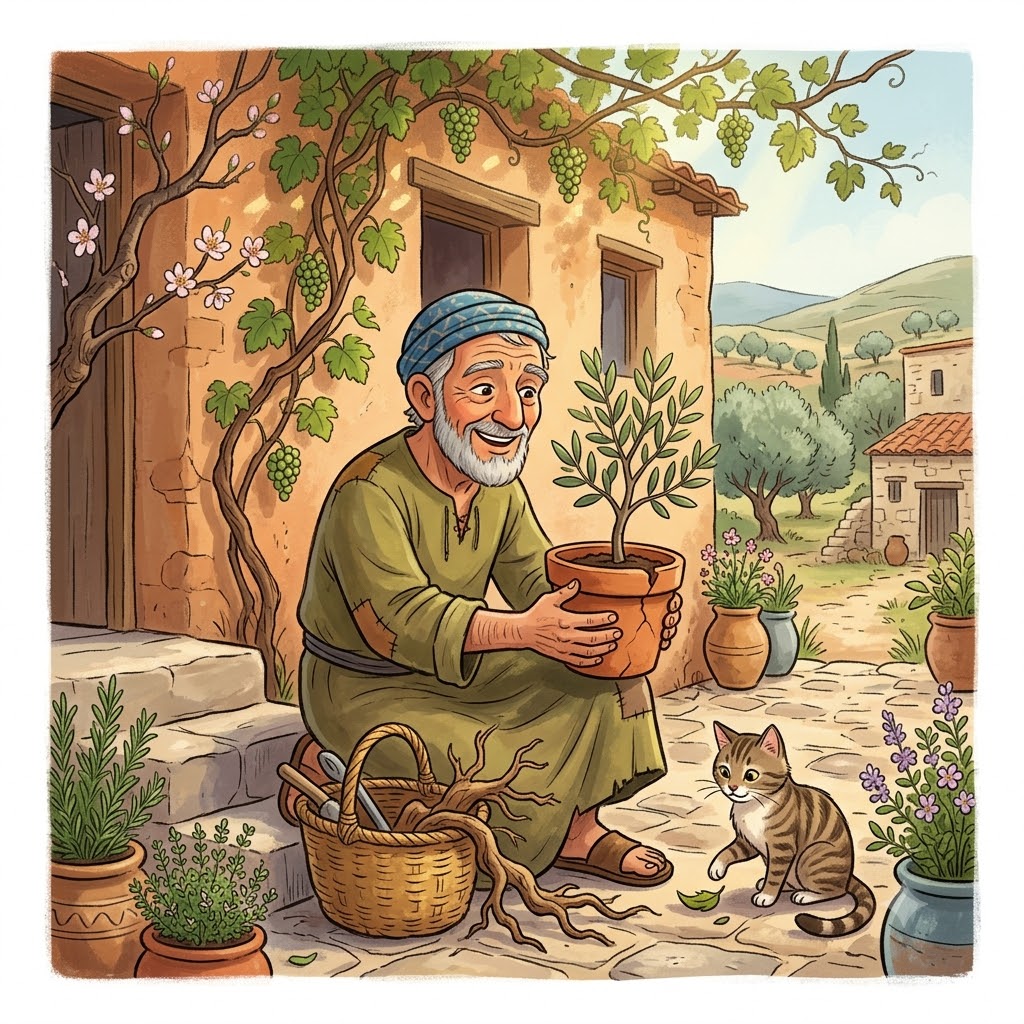
חִיבֵּב אֶת הַצָּרוֹת
קִיבֵּל אֶת צָרוֹת בְּאַהֲבָה. רָאָה בִּגְזֵרַת הַגּוֹרָל דָּבָר שֶׁיֵּשׁ בּוֹ טוֹב סָמוּי. הֶאֱמִין שֶׁהַכֹּל בָּא לְטוֹבָה.
("תְּנוּ רַבָּנָן: מִי כָּתַב מְגִלַּת תַּעֲנִית? אָמְרוּ: חֲנַנְיָה בֶּן חִזְקִיָּה וְסִיעָתוֹ, שֶׁהָיוּ מְחַבְּבִין אֶת הַצָּרוֹת. אָמַר רַבָּן שִׁמְעוֹן בֶּן גַּמְלִיאֵל: אַף אָנוּ מְחַבְּבִין אֶת הַצָּרוֹת, אֲבָל מָה נַעֲשֶׂה, שֶׁאִם בָּאנוּ לִכְתֹּב- אֵין אָנוּ מַסְפִּיקִין"- שַׁבָּת יג ע"ב).
תרגום
ביטוי (אנגלית)
Embraced troubles/ To cherish the memory of troubles
הגדרה (אנגלית)
He accepted adversity with love. He saw in the fate of fate a thing that contained hidden good. He believed that everything turned out for the best.
("The Rabbis taught: Who wrote Megillat Ta'anit? They said: Hananiah ben Hezekiah and his party, who used to cherish troubles. Rabban Shimon ben Gamliel said: We too cherish troubles, but what can we do? If we were to begin writing, we would never finish" - Shabbat 13b).